

GARDEN ROUTE NEWS - With the petrol cost at a record high for the country, Garden Route communities must also contend with the burden of potentially crippling economic pressures that are set to affect food prices, transport costs, multiple business industries, and even municipal services reliant on fuel.
Coastal towns like those on the Garden Route started paying R29.38 per litre of 95 ULP and R31.08 of diesel 0.05% as of 7 October, while inland areas are now paying a little more (R30.25 per litre of petrol and R31.95 per litre of diesel).
The increase was announced by the minister of mineral and petroleum resources, Gwede Mantashe, who stated in a press release on 5 October that the adjustments are based on current local and international factors, some of which include lower global inventories of products, the increase in importation and shipping costs that are set at an international level, the continued US/Iran tensions, and the uncertainty regarding the flow of oil through the Strait of Hormuz.
Dr Dennis Farrell, the managing advisor of the Business Café in George, said tourism and agriculture - two pillars of the regional economy - will absorb sharp increases in operating expenses, compounded by potential declines in domestic demand.
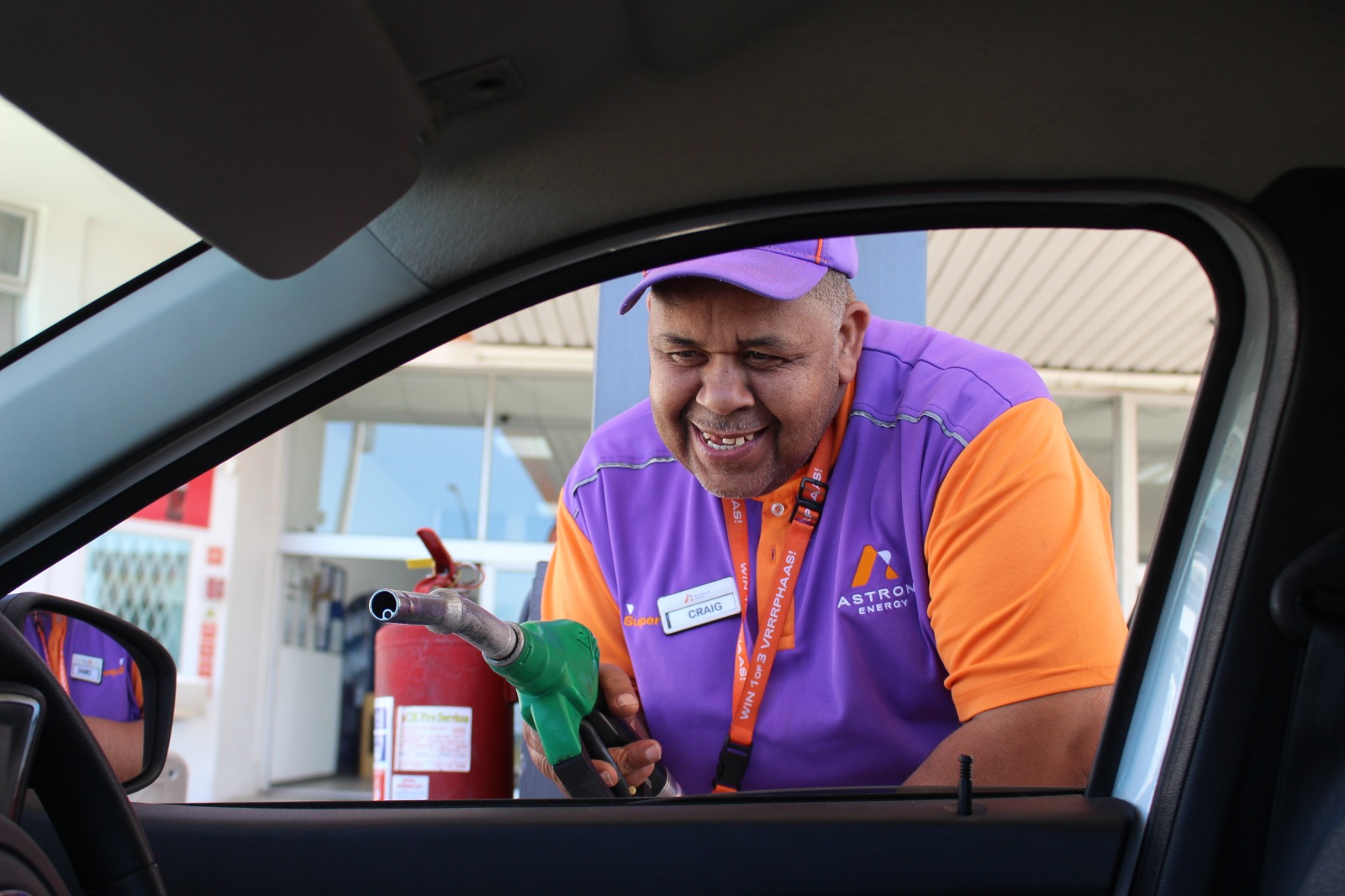 Craig Seconds asks a customer how much fuel they want. Photo: Chelsea Pieterse
Farrell added that transport-dependent sectors face immediate cost escalations, saying logistics operators anticipate increases of 6-12%, which will filter directly into the price of food, construction materials and essential goods.
"Municipal services reliant on fuel- waste removal, water delivery, law enforcement and maintenance - will also experience higher operating costs, potentially affecting service levels and future tariffs."
Farrell said public and private transport providers are expected to adjust fares, which will place additional strain on households already spending a significant portion of their income on commuting.
Both the Congress of South African Trade Unions (Cosatu) and the South African Federation of Trade Unions (Saftu) have publicly condemned the fuel price hikes in media statements released on 5 and 6 October.
Cosatu says: "Workers spend up to 30% of their wages on transport. A R3-per-litre hike wipes out wage increases. It pushes taxi and bus fares up and threatens to make food even more expensive for working-class families. It diverts money that we cannot spare out of the economy.
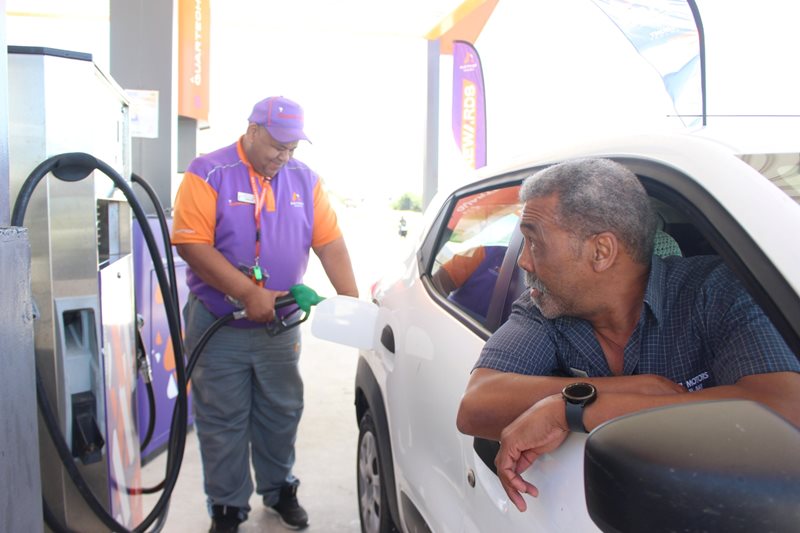
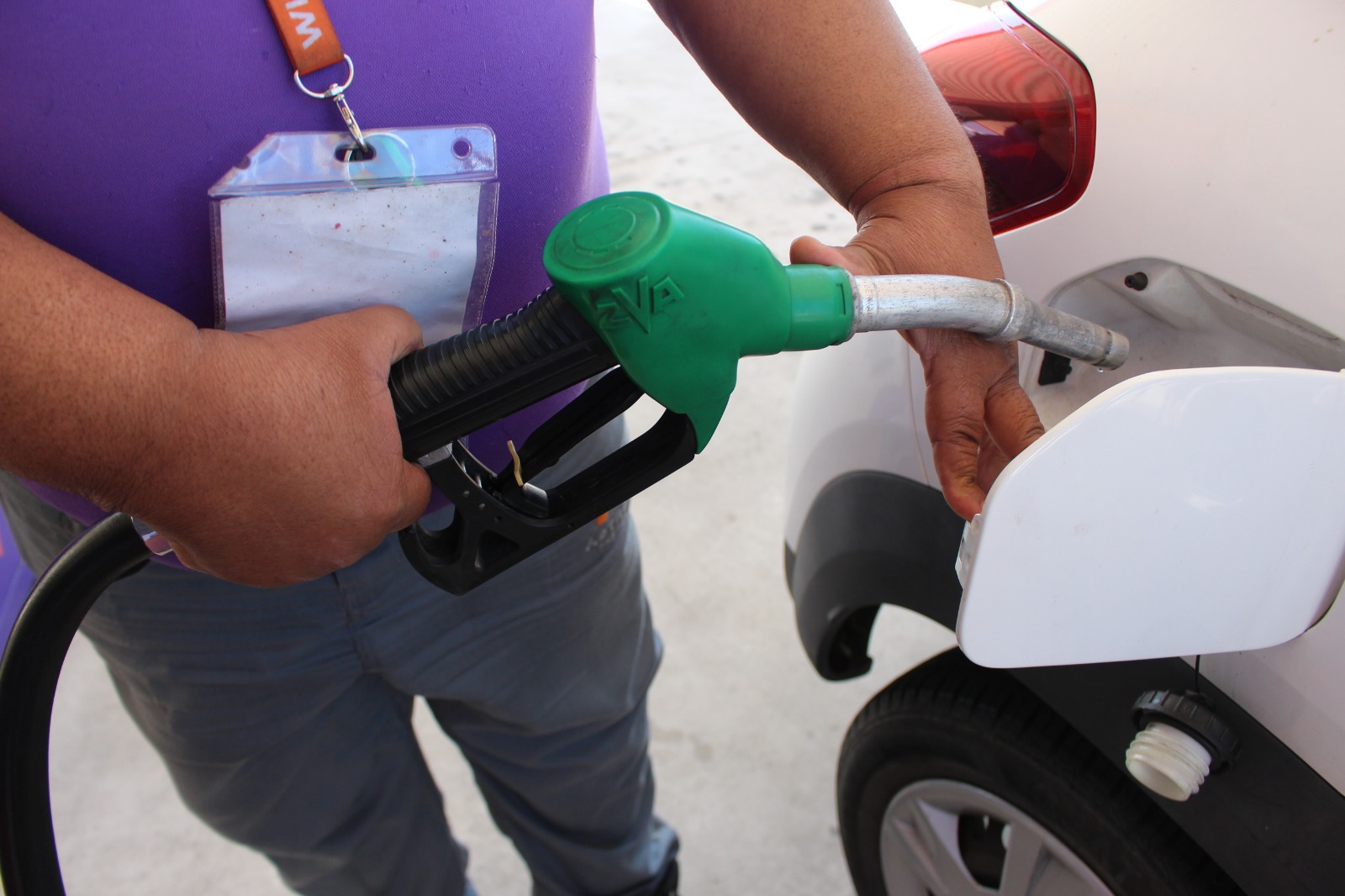 Fuel prices increased on Wednesday, 7 October. Photo: Chelsea Pieterse
"This is not just a fuel price issue. It is a cost-of-living crisis."
Saftu deemed the increase a "declaration of war on working-class survival".
"For the first time, petrol has breached the R30-a-litre threshold. But the most devastating increase is the R3.58-a-litre rise in illuminating paraffin, used by some of the poorest households for cooking, heating and lighting," it said.
"Poor households cannot simply switch to electricity, gas or solar power. They are being forced to choose between food, energy and transport."
ALSO READ: Fuel increase to exacerbate consumers’ struggles
‘We bring you the latest Garden Route, Hessequa, Karoo news’