

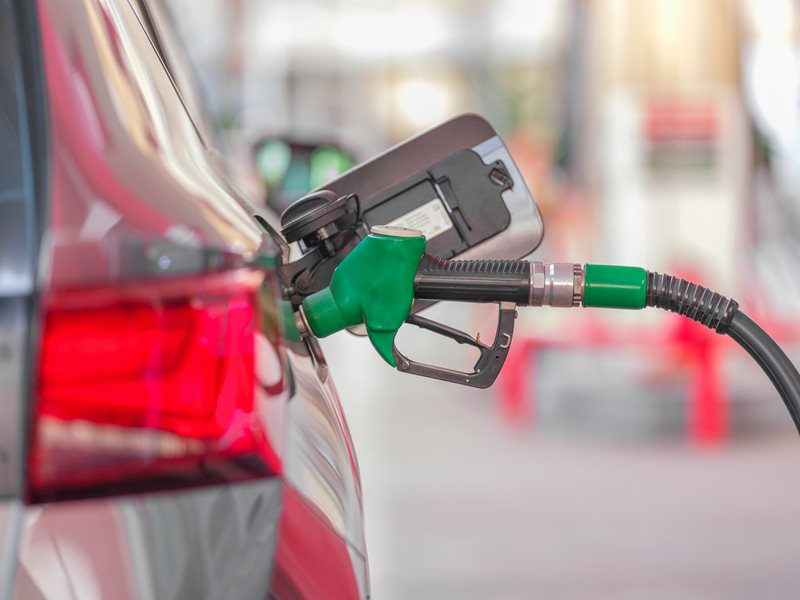
MOSSEL BAY NEWS - On Wednesday 6 May, fuel prices across the country increased - petrol up by R3.27 per litre, diesel by R5.27 per litre and paraffin up by R4.22 per litre.
This means consumers in the coastal areas are expected to pay R25.76 per litre of petrol, R30.30 per litre of diesel 0.05% and R30.50 per litre of diesel 0.005%.
The Minister of Mineral and Petroleum Resources, Gwede Mantashe, said in a statement on Monday 4 May that the fuel prices are adjusted monthly, informed by international and local factors.
The reasons for the hikes include the average Brent crude oil price increasing from $93.67 to $101 due to the continued tension between the US and Iran, the closure of the Strait of Hormuz, and damage to other crucial infrastructure that has affected crude oil supply.
Another major reason, he said, is that the prices of diesel and paraffin increased more than the petrol prices because of higher demand and reduced supply from the Persian Gulf.
Due to the ongoing US-Iran conflict, which affects fuel prices globally, the Minister of Finance, Enoch Godongwana, in consultation with Mantashe, announced a further temporary reduction in the general fuel levy of R3 and R3.93 per litre of petrol and diesel respectively from 6 May to 2 June.
Read the full statement here: Minister Gwede Mantashe announces adjustment of fuel prices effective from 6 May 2026
According to the Fuels Industry Association of South Africa, the price of petrol in coastal areas has gone up from R19.92 on 1 January this year to R25.76 on 6 May.
In inland areas, consumers are being charged R26.52 per litre of 93 unleaded petrol, R26.63 for 95 unleaded, R31.17 for diesel 0.05% and R31.37 per litre of diesel 0.005%.
The Congress of South African Trade Unions (Cosatu) released a statement on Monday, shortly after the announcement of the fuel increase, saying it was deeply concerned about the impact of the massive increase in fuel prices on top of April's fuel hikes.
"This is a painful blow that millions of struggling workers and commuters, and an already stagnant economy stuck at an anaemic 1% growth, simply cannot afford," read the statement.
It said the government's extended fuel levy relief is a welcome step forward, but more relief will be needed.
"Diesel is critical for the public and private transport that workers depend upon, as is paraffin for millions of working-class families. Workers who are already drowning in debt, supporting up to seven relatives each and spending an average of 40% of their meagre wages on transport, will not be able to continue to survive such painful petrol, diesel, gas and paraffin price hikes."
Cosatu said the most important source of relief for workers, society and the economy is to maintain the fuel levy relief while oil and fuel prices remain high.
Read Cosatu's full statement here: More must be done to cushion workers and the economy from the massive fuel price hikes
‘We bring you the latest Garden Route, Hessequa, Karoo news’