


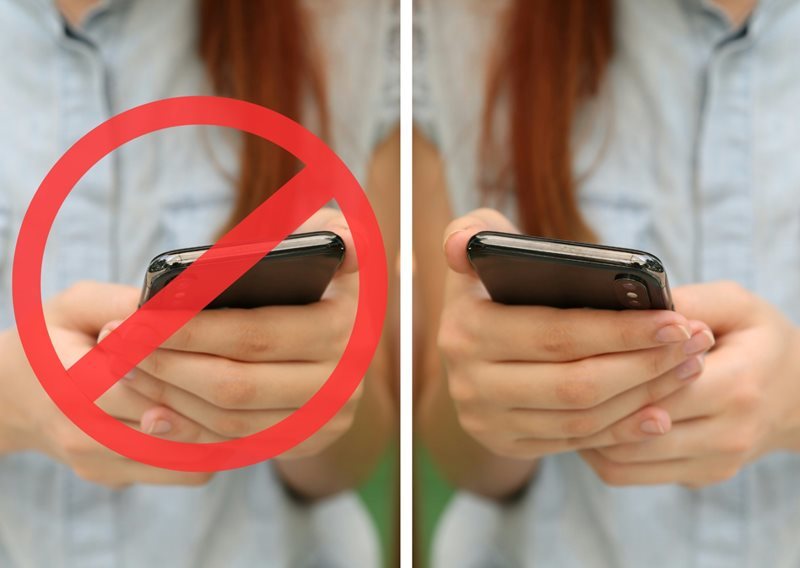
MOSSEL BAY NEWS - On Friday 17 April, the learners and parents of Sao Bras High School in Mossel Bay were informed that the school would be enforcing a ban on cellphones.
Sao Bras' principal, Henry Willemse, told Mossel Bay Advertiser this decision stems from a variety of factors, including a lack of social interaction among the learners during breaktimes, little focus in classrooms and the recording of incidents (such as fights) that occur on the school grounds.
"During breaks, they're just on their phones, not communicating with one another. I believe a child must still be a child," said Willemse. He told the Advertiser the policy was approved by the school's governing body and came into effect on Monday 20 April.
Learners caught with a cellphone in their possession will have their devices confiscated for 10 days.
During this time, a penalty fee of R200 will need to be paid in order to get their cellphone back, but the device can only be collected from the school by a parent or guardian.
However, special circumstances may allow for learners to have their cellphones with them, but only with permission from a teacher.
Many of Sao Bras' learners travel to school from areas outside Mossel Bay, such as Ruiterbos and Brandwag. These learners may need to keep in contact with their drivers or parents regarding after-school activities and the arranging of transport to and from the school.
Additionally, the use of a cellphone may be beneficial for learning while in class. In that case, the teacher will need to grant permission for a learner to use one.
"Permission will be based on merit. At the end of the day, if you don't have permission, your phone will be confiscated," said Willemse.
The majority of the comments beneath Sao Bras' Facebook post announcing the policy were in support of the school's decision, many stating they felt it was long overdue and would lead to the learners paying more attention to their academics.
However, others felt differently.
One person commented that in the 21st century, our medium of communication are cellphones, and that working parents often leave their teens in charge of chores and younger siblings at home, and may need to make contact with them during the day before they themselves return home.
The Western Cape Department of Education (WCED) previously told the Advertiser that the decision to ban cellphones lies with each school, but has encouraged both schools and learners to find a balance to create safe and effective experiences when using these devices, especially as more technology-driven learning tools emerge and evolve.
"The learners also need to understand the implications of irresponsible use and need to be accountable for their behaviour," said the WCED's communications officer, Bronagh Hammond.
‘We bring you the latest Garden Route, Hessequa, Karoo news’