

PROPERTY NEWS - South Africa's rental market continues to expand, with more homeowners turning to property as a source of long-term income.
While renting out a property can provide a steady income, it also comes with legal obligations and financial risks that many first-time landlords may not expect.
According to Regard Budler, CEO of BetterSure Financial Consultants, understanding the difference between legal responsibilities and insurance cover is essential for protecting both your property and your investment.
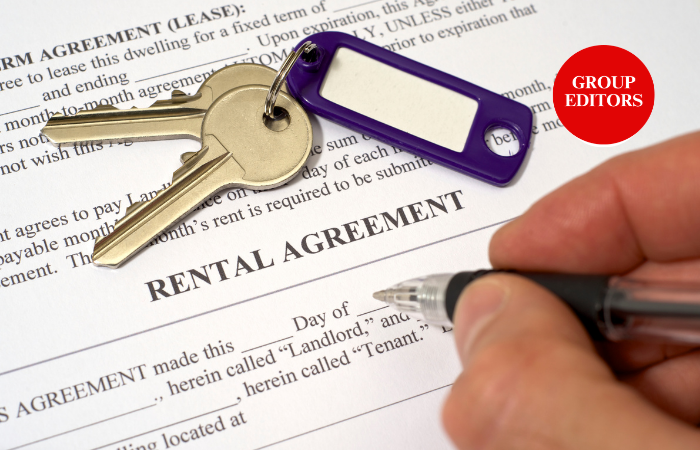
Your lease agreement is your first line of defence
Many landlords mistakenly believe every dispute with a tenant can be resolved through an insurance claim.
In reality, issues such as excessive noise, unauthorised occupants, prohibited pets or repeated breaches of body corporate rules are generally governed by the lease agreement and the Rental Housing Act.
Landlords should first try to resolve these issues directly with their tenant. If that fails, the relevant provincial Rental Housing Tribunal can help mediate disputes without the need for court proceedings.
"The legal process and your insurance policy each have a distinct role to play," says Budler. "Understanding the difference helps landlords respond appropriately while protecting both their property and their investment."

Good property management can prevent costly problems
Many disputes can be avoided through careful planning and record keeping.
Experts recommend:
- Screening prospective tenants thoroughly.
- Using a clear, comprehensive lease agreement.
- Completing detailed incoming and outgoing inspections.
- Taking dated photographs of the property's condition.
- Keeping maintenance records and inspection reports.
Routine inspections during the lease period can also help identify problems such as leaks, damp, mould or unauthorised alterations before they become expensive repairs.
Insurance doesn't cover every situation
One of the biggest misconceptions among landlords is that insurance automatically pays for all tenant-related damage.
Budler says this is not always the case.
Whether damage is covered depends on the policy, the circumstances and the type of damage involved.
For example, accidental damage may be covered, while malicious damage could require additional cover or specific policy extensions.
Even where insurance does not apply, tenants remain legally responsible for damage they cause and landlords may seek to recover repair costs.
Tell your insurer if your property use changes
Landlords should inform their insurer or broker if the way a property is being used changes.
This includes:
- Renting out individual rooms.
- Converting a family home into shared accommodation.
- Listing the property on short-term rental platforms such as Airbnb.
Different occupancy arrangements may affect both risk and insurance requirements.
Illegal activity can have serious consequences
If a landlord becomes aware that a tenant is using the property for illegal activities, legal advice should be sought immediately.
Budler says landlords should also notify the relevant authorities where necessary and follow the correct legal process.
Illegal activity can result in property damage, police investigations and financial losses, while insurance may not cover losses linked to unlawful use.
What happens if the landlord dies?
Another common misconception is that a lease automatically ends when a landlord dies.
In most cases, the lease remains valid.
The deceased estate assumes the landlord's rights and responsibilities until ownership of the property is transferred.
During this period, tenants must continue complying with the lease while the appointed executor manages the property.
Protecting your investment
Budler says owning a rental property involves far more than collecting monthly rent.
Understanding legal obligations, maintaining the property, keeping accurate records and ensuring appropriate insurance cover can help landlords manage risks and avoid unnecessary financial losses.
A proactive approach, backed by a strong lease agreement and effective property management, remains one of the best ways to protect a valuable investment.
‘We bring you the latest Garden Route, Hessequa, Karoo news’