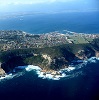


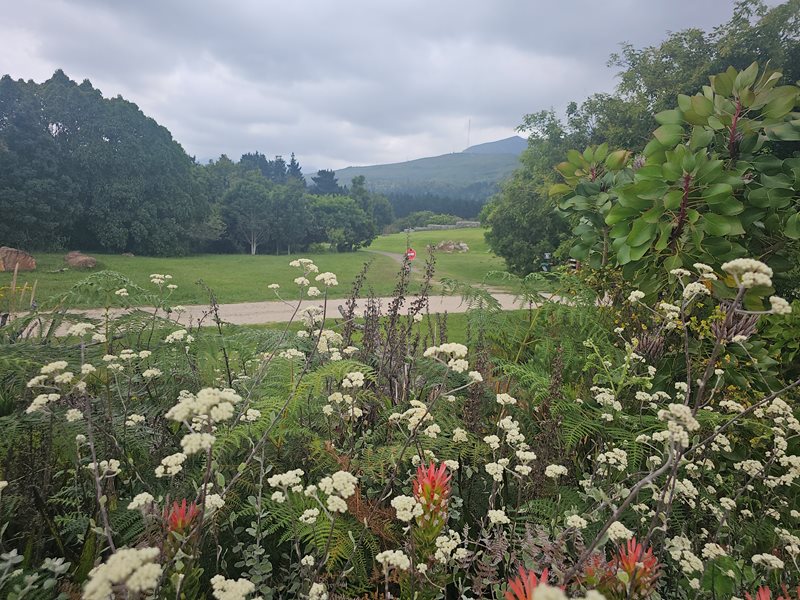
OPINION - With the festive season in full swing, visitors from across South Africa and the globe are once again streaming into the Garden Route to enjoy its world-class beaches, unique landscapes, and relaxed lifestyle.
Yet the 2025 holiday period arrives on the back of one of the driest years on record, with rainfall levels dipping far below long-term averages. As a result, residents and visitors are urged to use water sparingly and to remain mindful of the broader environmental pressures facing the region.
Tourism remains a vital pillar of the Garden Route economy, but questions are increasingly being asked about how much permanent growth the region can realistically sustain.
The surge in new housing estates, expanded urban footprints, and sprawling informal settlements is rapidly altering the scenery and sense of place which makes the area so attractive.
Without careful planning, the “Garden Route” risks slowly transforming into a “Concrete Route,” with shrinking green corridors and ever-growing demands on already stressed infrastructure.
Water availability, economic activity and job opportunities, and the amount of land suitable for development are central considerations for municipal planners and the region is running critically low on all three.
Of these, the supply of fresh water is perhaps the most decisive factor. Climate change has made rainfall increasingly unpredictable, and limited storage capacity leaves coastal and Karoo towns vulnerable to prolonged shortages.
The recent two-week outage in Wilderness, though avoidable, offered residents a glimpse of how quickly a community can be brought to a standstill when the taps run dry.
As more people move into the region, formal and informal development, combined with the demands of a vibrant agricultural sector continues to expand, placing mounting pressure on water systems, roads, waste management, and other essential services.
Without decisive action, the very qualities that draw people to the Garden Route could be undermined.
If the region is to remain the Garden Route in name and nature, development must follow the limits set by the landscape and not the other way around.
Cobus Meiring is from the Garden Route Environmental Forum (GREF), a public platform for landowners, environmental managers and climate change experts to share knowledge, explore solutions, and promote sustainable development.
Comment and opinion are that of the author and not necessarily shared by Group Editors, any of its publications or staff members.
Read more opinion pieces here.
‘We bring you the latest Garden Route, Hessequa, Karoo news’