

BUSINESS NEWS - As the Institute of Waste Management of Southern Africa (IWMSA) celebrates its 50th anniversary in 2026, President Patricia Schröder reflects on the nation's ambitious journey toward a circular economy by 2030, emphasising that while South Africa has developed world-class legislation, the sector's most formidable challenge remains transforming policy into practice.
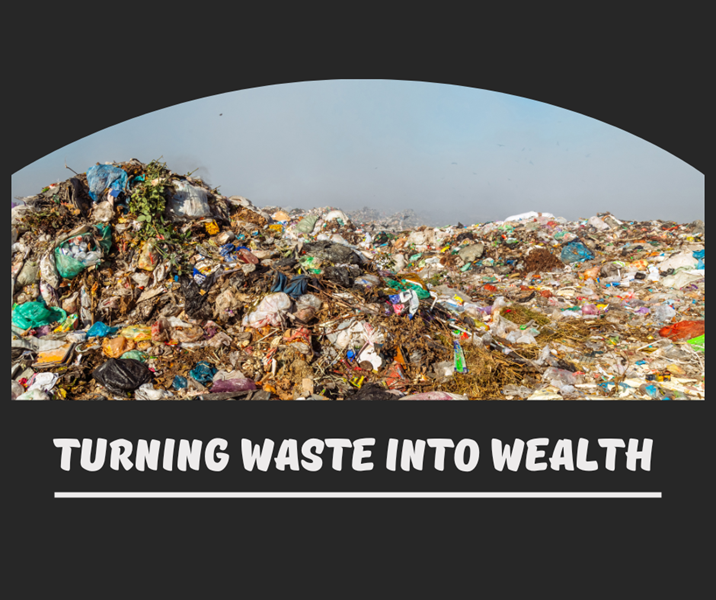
"The landscape of waste management is rapidly evolving, and we find ourselves in an era where waste is not an onerous problem, but rather a resource with immense potential – essentially, waste has 'value beyond the bin'," states Schröder.
Vision 2030
South Africa's circular economy framework sits at the heart of the nation's broader development strategy. The National Development Plan "Vision 2030" incorporates UN Sustainable Development Goals into overall socio-economic development strategies, seeking to eradicate hunger and reduce inequalities by 2030.
The draft National Waste Management Strategy 2026 establishes a target to divert 40% of waste from landfill over the next five years, signalling a fundamental shift from a disposal-led approach to circular economy principles.
The implementation gap
The 2008 enactment of the National Environmental Management Waste Act was a crucial step. However, with this said, although South African legislation ranks amongst the best in the world, implementing and enforcing this legislation remains a very challenge.
This implementation gap remains critical as the 2030 milestone approaches. Annually, millions of tonnes of household waste is generated, with approximately a vast proportion going uncollected or untreated within formal waste systems - either illegally dumped or destroyed by open burning.
Furthermore, the urgency of this transition is underscored by diminishing landfill space in major metros including Cape Town, eThekwini, and Ekurhuleni, which are experiencing major cost increases as their landfills reach capacity.
Progress and barriers
Extended Producer Responsibility (EPR) regulations, implemented in May 2021, represent significant progress. Producers are now responsible for the entire lifecycle of their products, including waste management.
Producer Responsibility Organisations (PROs) are working with municipalities to build infrastructure for waste diversion.
However, a fundamental barrier remains at the household level. Waste separation at source must be implemented by all households to ensure recyclable materials are available for collection. Without widespread adoption of separation practices, infrastructure investments and regulatory frameworks remain under-utilised.
IWMSA's Vision
The IWMSA’s vision encompasses promoting waste minimisation, exploring alternatives to landfills, and implementing measures to combat climate change," concludes President Schröder. "I am dedicated to ensuring that the institute remains relevant and innovative in our ever-evolving world."
The IWMSA actively supports this transition through training programmes, seminars, and conferences designed to build capacity and share best practices.
As the IWMSA approaches its 50th anniversary, the organisation stands positioned to leverage five decades of expertise to guide South Africa through one of its most critical environmental and economic transformations – realising the vision of waste as a resource "beyond the bin."
‘We bring you the latest Garden Route, Hessequa, Karoo news’