

MOSSEL BAY NEWS - Two weeks ago, the Department of Mineral and Petroleum Resources (DMPR) stated there was “currently no immediate risk of fuel shortages in South Africa”; however, yesterday, 19 March, reports came in about several fuel stations in and around Mossel Bay restricting the amount of diesel per vehicle.
The prolonged geopolitical tensions, namely the United States and Israel’s war on Iran, have had a major effect on the price and supply of fuel across the globe, including South Africa.
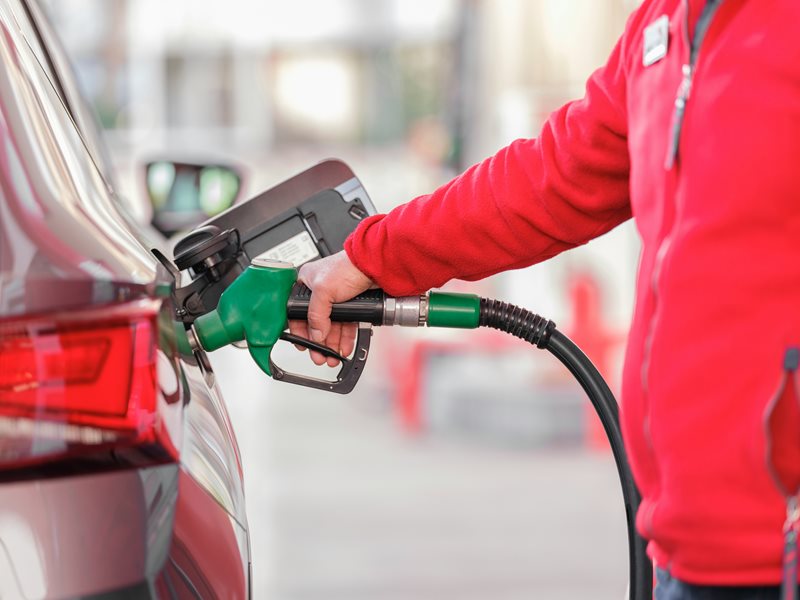
It appears that Mossel Bay is already feeling the heat, with reports of some stations in the town supplying only R300’s diesel per vehicle or 50L of diesel per vehicle.
Mossel Bay Advertiser reached out to some filling stations in and around Mossel Bay. While no comment could be given on record, the consensus was that there is indeed pressure.
SSK’s CEO, Francois Swanepoel, said its fuel supply is under pressure like the rest of the industry.
“According to the information we have, there is enough fuel coming into the country, but certain parts/regions of the country are struggling to be supplied.
"The SSK team is working very hard to find alternative sources to ensure our forecourts have enough fuel.
"The huge increase in international oil prices will mean that there will be a very large increase in fuel prices worldwide in April. South Africa will also be affected by this. We believe that from April, the supply of fuel should normalise," said Swanepoel
With the price hike in fuel prices expected to take effect on 1 April, a post on Shell & Spar Express Heiderand’s Facebook page on 13 March echoed SSK’s statement that extreme price increases are expected on that date.
The post further urged customers to fill up throughout the month rather than waiting for 30 and 31 March, in order to help reduce long queues and alleviate supply pressure. It said spreading out fuel purchases helps it ensure better access to fuel, shorter queuing times and smoother service for everyone.
In a statement the DMPR made on 10 March, it said despite the closure of several refineries in recent years, South Africa currently has two operational crude oil refineries: namely the National Petroleum Refiners of South Africa (Natref) and Astron Energy.
There is also the Sasol Secunda coal-to-liquids plant, which plays a critical role in domestic fuel production.
“These facilities rely on crude oil imports sourced primarily from West Africa and increasingly from other countries across the African continent,” it said.
“Unfortunately, the continued rise in international crude oil prices is expected to result in higher fuel prices at the pump from April 2026. Oil companies that currently import refined petroleum products from countries affected by the conflict are actively exploring alternative supply sources to ensure uninterrupted fuel availability in the domestic market.”
Previous article: Brandstofpryse dreig boere en ondernemings aan Tuinroete
‘We bring you the latest Garden Route, Hessequa, Karoo news’