

MOSSEL BAY NEWS - Mossel Bay’s municipal budget for 2026/27 was accepted during a special council meeting this morning, Friday 29 May.
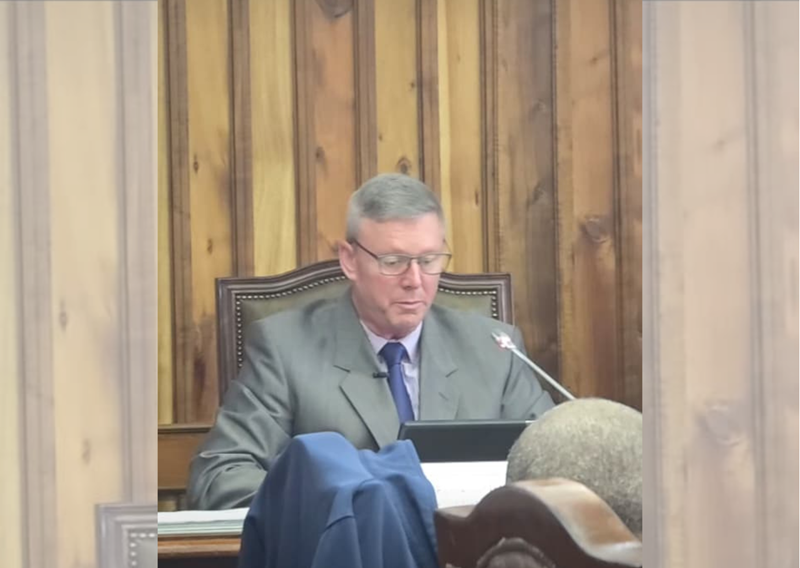
Mayor Dirk Kotzé delivered his budget speech during the meeting, after which comments from opposition parties followed. Upon voting, the DA and Icosa were in favour of the budget, while other opposition parties (ANC, PA, FF Plus and ACDP) were against it.
The budget for the upcoming year amounts to R1.98bn for operational expenses and R317m for capital projects.
Of this, R205m will be financed from the municipality’s own funds, R73m from new loans, and R39m from grants and donations.
Tariff increases
A key point from the mayor’s budget speech was the tariff increases for residents, which will take effect on 1 July. These are as follows:
• Electricity supply: 8.5%
• Property rates: 5.8%
• Waste removal: 5.5%
• Sewerage services: 5.5%
• Water supply: 5.8%
These increases will result in an average increase of 7.3%, or approximately R258 per month for a household with a property value of R1.1m, consuming 500 kWh of electricity and 15kl of water per month. For a household with a property value of R2.5m, consuming 1 000 kWh of electricity and 30kl of water per month, the increase would be 7.4% or R432 per month.
Support
Kotzé then went on to mention the support measures in place, saying they recognise that these increases will impact household budgets.
Pensioners and low-income households qualify for discounts on electricity, property rates, and sewerage charges. These are structured as follows:
- 30% discount for households with a gross income of R27 900 per month or less
- 50% discount for households with a gross income of R20 800 per month or less
Some other highlights/quotes from Kotzé’s speech:
- When compared to similar municipalities, Mossel Bay derives only 15.7% of its total budgeted revenue from property tax, whereas comparable municipalities generate up to the mid-20% range from property tax income.”
- Personnel costs stand at only 25.9%, which is significantly lower than the nationally accepted limit of 35%.
- Our mandate remains clear: maintain high levels of service delivery, ensure fair and sustainable tariffs, guarantee financial stability for Mossel Bay’s future
- Proper management of liquidity has three factors: tariff setting and affordability, budget funding and energy losses and combatting electricity theft.
- The municipality’s energy losses have increased year-on-year, and the estimated electricity loss at end of February 2026 stands at 16.87%.
- The municipality pays higher rates for electricity during peak consumption hours, but residents pay a fixed tariff. Urge residents to minimise peak-hour consumption.
Feedback from provincial government
The Mossel Bay municipality said in a statement following the budget speech, that its budget had received positive feedback from the Western Cape Government through its Strategic Integrated Municipal Engagement (SIME) process. “SIME is an annual engagement led by Provincial Treasury and the Department of Local Government to assess and guide municipal budgets, ensuring they are credible, sustainable, and aligned with long-term development priorities.”
It said the municipality’s approach to budgeting has been “recognised as realistic and well-balanced, ensuring continued financial stability while remaining responsive to the needs of the community”.
“The engagement further highlighted opportunities to strengthen long-term economic sustainability, including increased investment in core infrastructure such as water, electricity, roads, and wastewater systems. Additional emphasis was placed on expanding economic infrastructure and development programmes to support tourism, attract investment, and promote small business growth,” said the municipality.
See Kotzé’s full budget speech below:
Speaker, Alderlady Venolea Fortuin
Executive Deputy Mayor, Alderman Cliffie Bayman
Members of Council
Municipal Manager, Mr Colin Puren
Directors
Municipal Officials
Members of the Public
Members of the Media
Today, I present the 2026/2027 draft municipal budget. Mossel Bay Municipality has continued to show its resilience against the backdrop of a fire, a water crisis, the foot-and-mouth disease national disaster, as well as global instability that threatens to deepen economic challenges.
On behalf of the Council, I extend my sincere gratitude, to our residents for their ongoing loyalty and responsibility towards the municipality, which has resulted in a remarkable 96.5% payment rate. We fully understand the economic pressures that residents face. I, however, urge everyone to continue paying their municipal accounts diligently. We can proudly acknowledge that the Budget is fully funded. A fully funded municipal budget underpins financial stability, effective service delivery, and long-term community development. It ensures that the municipality can fulfil its obligations, implement critical infrastructure projects, and provide essential services without financial uncertainty.
Our municipal budget for the upcoming year amounts to R1.98 billion for operational expenses and R317 million for capital projects. Of this, R205 million will be financed from the municipality’s own funds, R73 million from new loans, and R39 million from grants and donations. The use of municipal loans for income-generating projects promotes economic growth, enhances financial sustainability, and strengthens service delivery without negatively affecting existing budgets. The bulk purchase of electricity accounts for 35% of the municipality’s operating budget, alongside costs for purified drinking water, debt impairment, depreciation charges, personnel expenses, interest payments and Council’s operations, which leaves little room for flexibility.
Challenges and Cost Drivers
While drafting the budget, we faced several factors beyond the municipality’s control, including:
• Eskom’s bulk purchases increase of 9.01%
• Rising diesel costs for municipal vehicles and equipment
Proposed Tariff Increases
We propose the following tariff adjustments:
• Electricity supply: 8.5%
• Property rates: 5.8%
• Waste removal: 5.5%
• Sewerage services: 5.5%
• Water supply: 5.8%
These tariff increases result in an average increase of 7.3%, or approximately R258 per month for a household with a property value of R1.1 million, consuming 500 kWh of electricity and 15 kl of water per month. For a household with a property value of R2.5 million, consuming 1,000 kWh of electricity and 30 kl of water per month, the increase would be 7.4% or R432 per month.
Support Measures
We recognise that these adjustments will impact on household budgets, and we will continue to uphold our credit control policy. Pensioners and low-income households may still qualify for discounts on electricity, property rates, and sewerage charges. To cope with rising costs, we have adjusted the qualifying household income thresholds to accommodate more of our pensioners.
The discounts are structured as follows:
- 30% discount for households with a gross income of R27,900 per month or less
- 50% discount for households with a gross income of R20,800 per month or less
Investment and Growth
Mossel Bay remains South Africa’s leading semigration and tourism destination. Keeping up with growth has required long-term infrastructure planning and an events driven strategy to boost economic growth and job creation. We take immense pride in the success of events like the consecutive IRONMAN 70.3 competitions, in which we have invested R2 million annually.
The return on investment has been substantial—independent research has consistently shown that the event contributes more than R 50 million (R54 million in 2023 and R58 million in 2024) to the local economy. Mossel Bay also continues to be ranked as Ironman destination of choice by the more than 2,500 athletes and their more than 8000 supporters who attend the event each year.
But Mossel Bay is more than just an exceptional sporting destination. In 2024 and 2025, we successfully attracted over 100 major events per year to the town, directly benefiting the local economy.
It is no surprise that Lightstone Properties has recognised Mossel Bay as South Africa’s leading tourism destination for the 2024/2025 festive season. This recognition undeniably proves that our municipality sets a high standard for service delivery, and we will continue building on this reputation. In 2025, Mossel Bay Municipality has also received its 6th consecutive clean audit indicating strict management of ratepayers’ money.
Property Tax and Budget Assumptions
To fund and enhance this high level of service delivery and additional municipal functions, property tax is utilised, covering other critical municipal operating costs as well. Historically, Mossel Bay has had one of the lowest property tax profiles in South Africa. When compared to similar municipalities, Mossel Bay derives only 15.7% of its total budgeted revenue from property tax, whereas comparable municipalities generate up to the mid-20% range from property tax income. This firmly establishes Mossel Bay as a highly tax-friendly municipality.
Subsidised Benefits
Low-income households will receive subsidies on basic service fees, including water, electricity, waste removal, sanitation, and property tax. The three levels of subsidies for low-income households have been specifically designed to provide economic relief to those who genuinely need it. Additionally, this financial relief extends to households with persons living with disabilities, provided they meet the relevant criteria.
Budget Assumptions
• Current consumption trends have been used for the 2025/26 Adjustments Budget projections and have been projected forward for the 2026/27 MTREF Budget period.
• General cost adjustment of 4.6% for the new budget year.
• 5% savings on employee-related costs.
• The revenue budget on service charges is based on a 0.1% consumption decline in electricity consumption and a 1.9% increase in water consumption.
Personnel and Financial Management
• Personnel costs stand at only 25.9%, which is significantly lower than the nationally accepted limit of 35%.
• In accordance with the South African Local Government Bargaining Council (SALGBC), all employees will receive a salary increase from 1 July 2025, based on the average CPI percentage plus 0.75%, which has been determined at 4.75%.
• The Budget Steering Committee focuses on realistic revenue calculations, whilst applying strict cash control to ensure that our budget is aligned with the municipal priorities.
Cost-Reflective Services
According to National Government directives, all municipalities must have cost-reflective tariffs, meaning that the tariffs charged should accurately reflect the actual cost of the services provided.
This principle is essential for drafting sustainable budgets and ensuring that municipalities remain financially viable. As outlined in the Constitution, municipalities are required to provide key services, including:
• Basic services
• Social and economic development
• Security and public safety services
Funding from both National and Provincial Governments have, however, decreased significantly, making strategic, cost-reflective tariffs an essential component of financial sustainability at the municipal level.
Services such as waste removal, electricity supply, water, and sewerage are funded through the tariffs paid by residents. Traditionally, these services have been largely subsidised by profits from electricity sales, but with ongoing load shedding and declining electricity consumption, this subsidy could drop to zero in the coming years.
Therefore, we must plan strategically and proactively; a financially sustainable municipality cannot rely on external income sources alone.
Financial Sustainability
The renowned ratings agency, Ratings Afrika, recognised Mossel Bay Municipality in December 2025 as the fifth most financially sustainable municipality in South Africa, alongside Midvaal Municipality in Gauteng.
However, our mandate remains clear:
- Maintain high levels of service delivery
- Ensure fair and sustainable tariffs
- Guarantee financial stability for Mossel Bay’s prosperous future
This is our commitment to every resident.
One of the key aspects of this budget is the proper management of liquidity, which plays a fundamental role in the financial health of our municipality.
There are three main factors that positively or negatively affect our liquidity, and today,
I will elaborate on them.
1. Tariff Setting and Affordability
Our approach to tariff setting has been cautious and strategic, with affordability as a priority. The cost of municipal services places an increasing burden on taxpayers and residents, which we have carefully considered in the 2026/27 budget.
We are witnessing delays in municipal account payments, with some residents unable to settle their accounts entirely. This is a serious concern, and we must continue to offer inclusive and fair financial solutions to support residents.
2. Budget Funding
Our budget management committee identified the deficit before recognising capital grant funding as a critical issue. Through dedicated planning and strategic financial management, we have secured a budget surplus for the 2026/27 MTREF period.
This surplus guarantee financial stability and supports our long-term planning objectives, ensuring municipal sustainability.
3. Energy Losses and Combating Electricity Theft
The municipality’s energy losses have increased year-on-year, and the estimated electricity loss at end of February 2026 stands at 16.87%. To combat electricity theft, we have implemented several measures, including:
- Bulk meter audits and inspection projects
- Community safety initiatives across all Mossel Bay wards
- Proactive municipal interventions to minimise energy losses
It is a misconception that electricity theft is limited to certain wards—it affects everyone, which is why we are taking proactive steps to address this issue.
Investment in Sustainable Energy
Despite the costs associated with alternative energy projects, our investment in solar energy has already yielded positive impacts on key infrastructure. Over time, this investment will provide significant returns for taxpayers, ensuring the sustainable delivery of critical services whenever Eskom implements load shedding.
Limiting Peak Consumption and Tariff Structures
The municipality pays higher rates for electricity during peak consumption hours, yet residential energy consumers continue to pay a fixed tariff—regardless of when they use electricity. This structure places a financial burden on the municipality, and if energy consumers do not reduce their peak-time usage, there will be no choice but to reassess this tariff structure. We therefore urge residents to minimise peak-hour consumption and adopt more energy-efficient habits.
Conclusion
This budget is a responsible and realistic plan for the sustainable development of Mossel Bay. We remain committed to maintaining the highest standards of service delivery and will continue to maintain this commitment and continue with effective management to reduce the impact of external pressures on our residents and the municipality. I sincerely thank every resident for their ongoing engagement and support. I also thank each and every member of the administration and council for their efforts to ensure we live in a municipality that works for its residents.
Let us move forward together with responsibility and a vision for a stronger future.
Thank you very much.
* Mossel Bay Advertiser has reached out to opposition parties for their feedback following Kotzé’s budget speech and will provide it in a follow-up article.