

Update
MOSSEL BAY NEWS - Aerial firefighting resources were instrumental in slowing the spread of the devastating Mossel Bay fires, rapid response proving to be the most critical factor in combatting the blaze.
This is according to Kishugu Aviation’s chief pilot, Mathew Carter, whose Huey helicopter pilots flew in the operations during the week of 6 January.
Carter says the success of aerial firefighting depends heavily on how quickly aircraft can reach a fire while it is still small.
He explained that with the Mossel Bay fires, the combination of dry vegetation, prolonged drought and strong, gusting winds created extremely high fire danger conditions, allowing the fires to escalate rapidly.
“That was the most challenging circumstances for the Mossel Bay fires.”
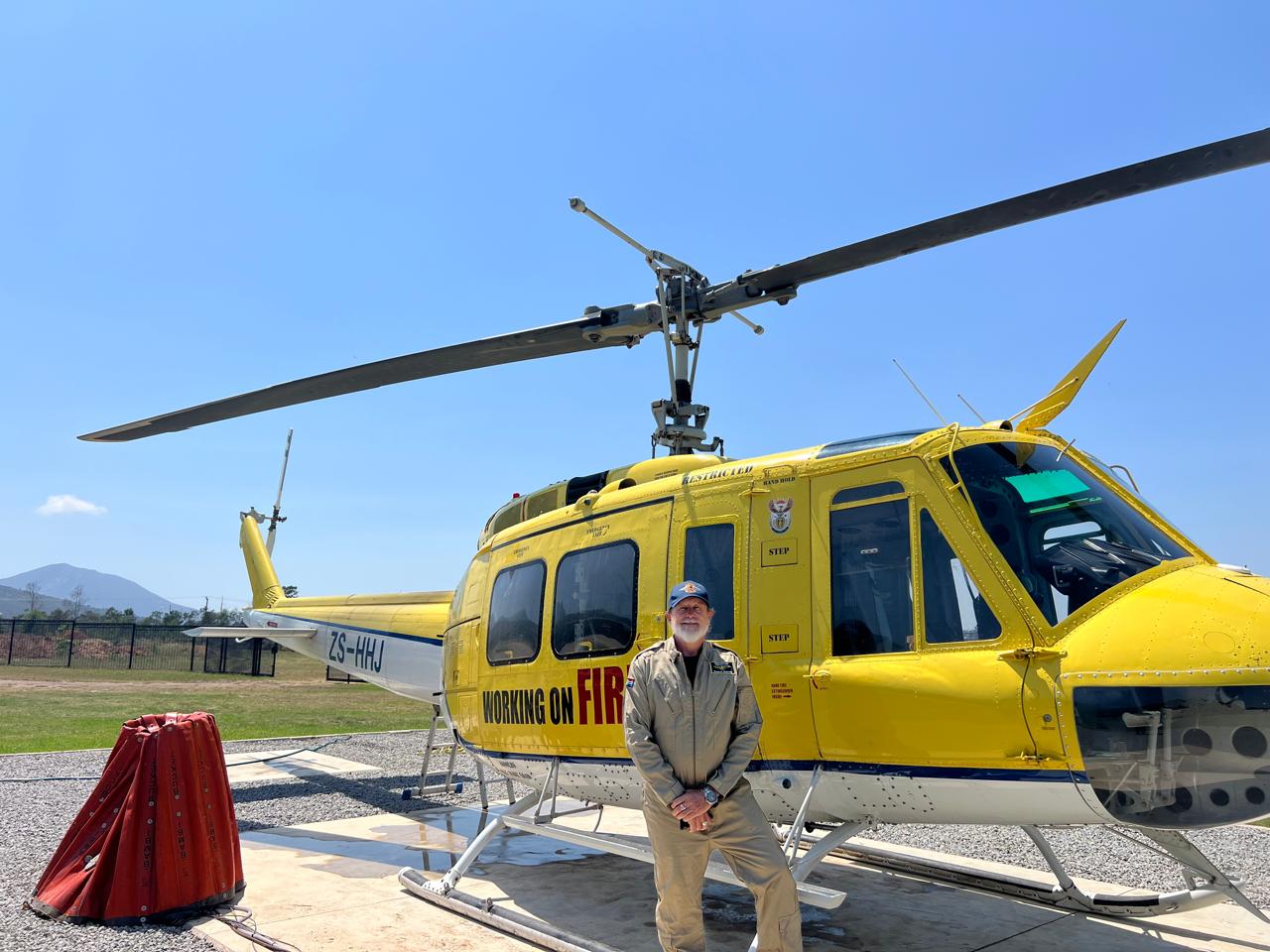 Mathew Carter.
Carter says aerial firefighting resources are costly, and they are primarily used during the initial attack phase, when fires are most manageable.
“However, in Mossel Bay, limited resources and worsening conditions meant the fire moved into what is known as an extended attack, requiring additional aircraft to be brought in from elsewhere to support the operation.”
A range of aircraft was deployed, including three Hueys, two Bells, an Air Tractor 802 fixed-wing fire bomber and a Cessna 182 used for command and control.
The Air Tractor alone is capable of carrying about 3 000L of water per drop.
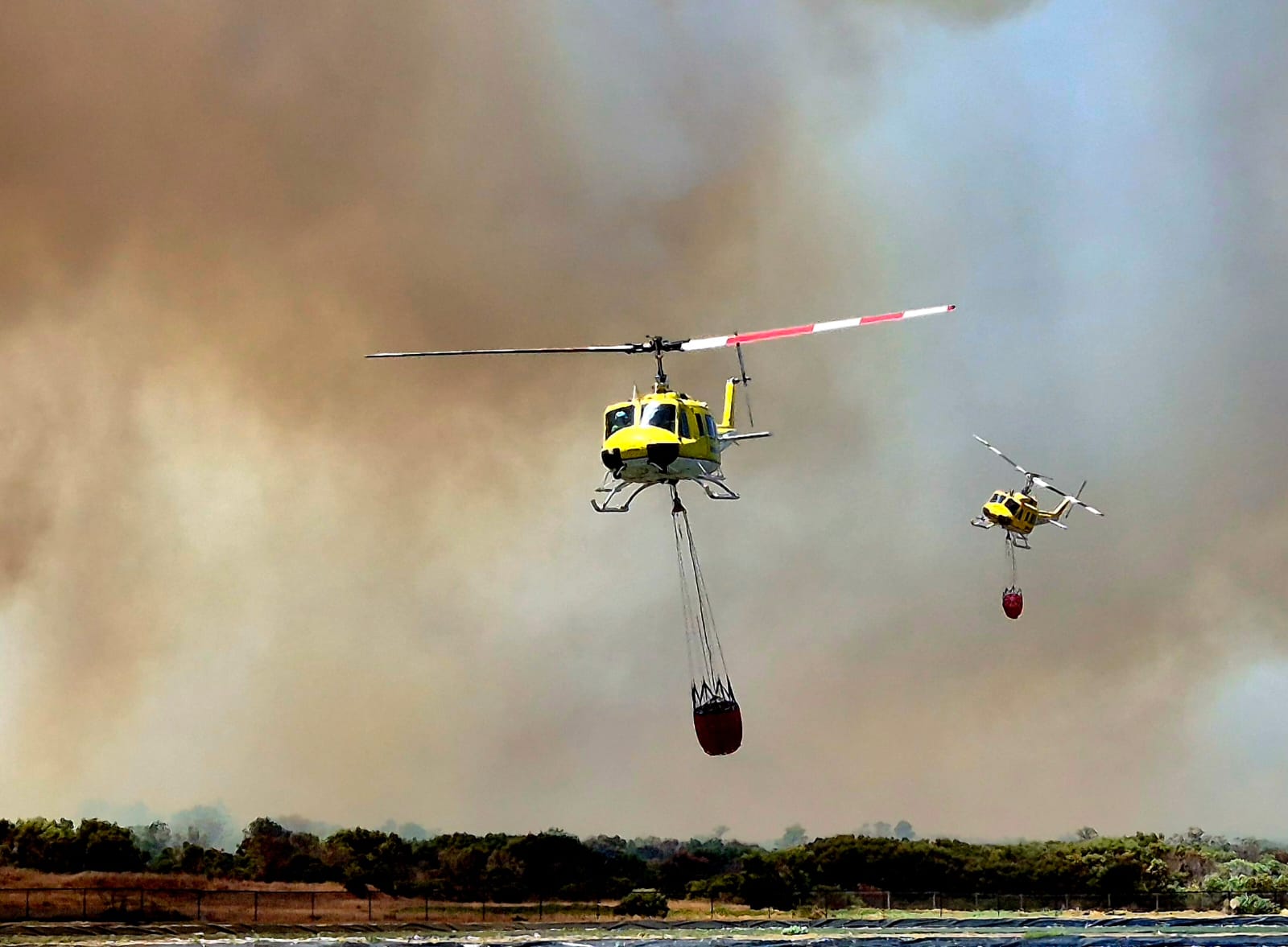 Air suport in action during the Mossel Bay fires.
Seawater
Carter says co-ordination was managed from the command-and-control aircraft flying above the fire, ensuring that requests from crews on the ground were prioritised and that the aircraft were directed to the most critical areas.
Mossel Bay Advertiser asked Carter if seawater can also be used to combat flames.
“Yes, particularly when fires are close to the coastline. This helps to conserve scarce freshwater resources during the drought. However, the use of seawater increases maintenance demands on aircraft, requiring heightened vigilance to prevent corrosion and mechanical issues.”
The firefighting pilots faced demanding conditions throughout the operation, he said.
“Thick smoke, turbulent winds, extreme heat and rapidly changing fire behaviour placed significant pressure on crews in the air. Fires burning in dense bush and trees were particularly challenging, as water drops are less effective than in open terrain.”
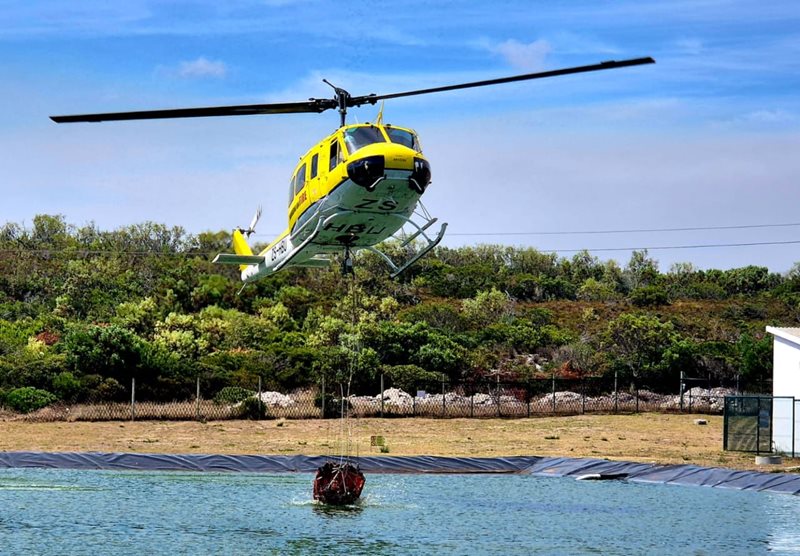
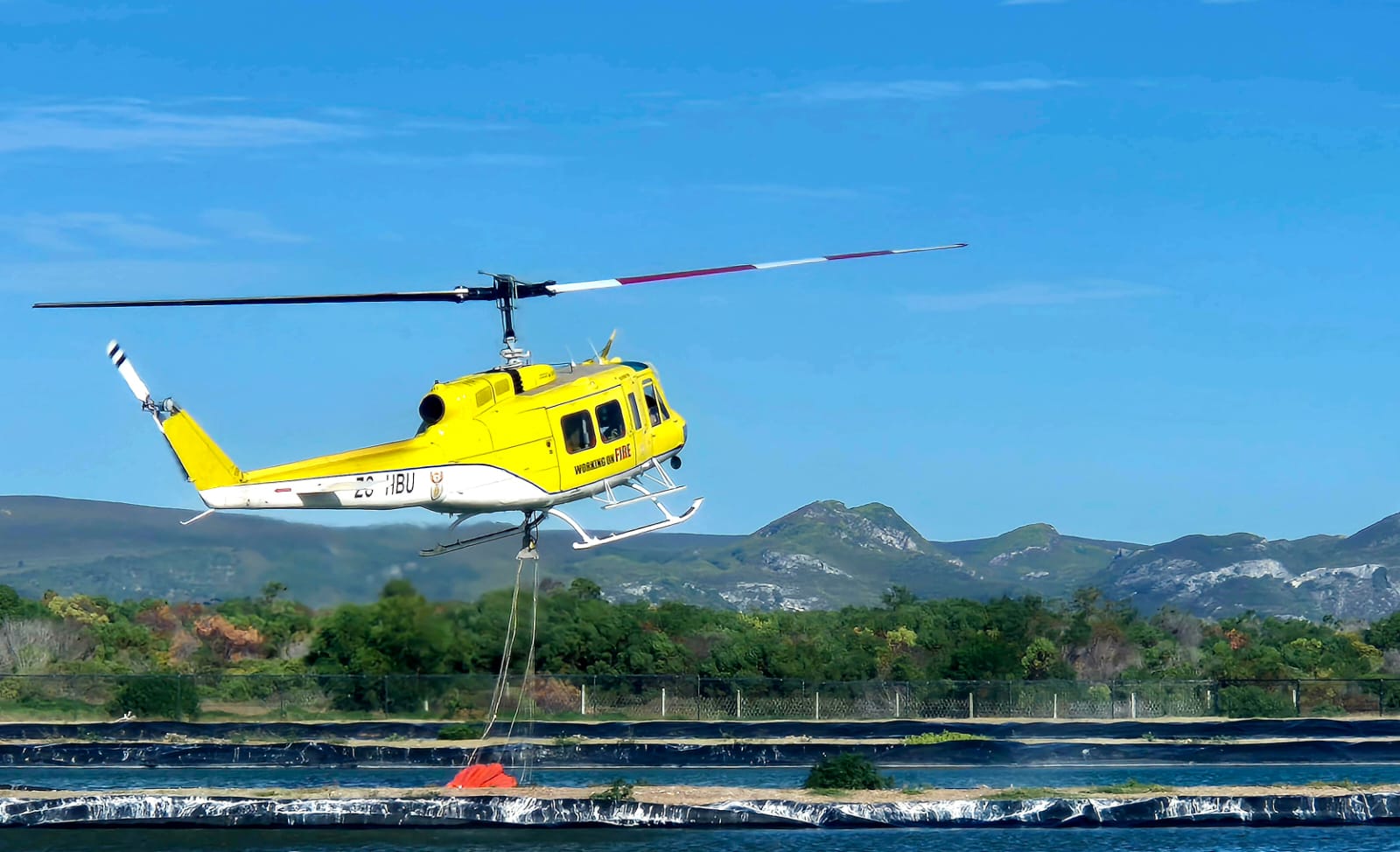 A Huey helicopter collects water near Mossel Bay.
High skill
Carter says the Mossel Bay operation required a high level of skill and experience, especially when using Bambi buckets suspended beneath helicopters.
“Pilots had to carefully manage speed, height and crosswinds to ensure accurate drops, every load of water playing a role in slowing the fire’s advance.”
Carter says pilot fatigue was closely monitored throughout the operation. Helicopter pilots are limited to a maximum of seven flight hours per day, while fixed-wing pilots may fly up to eight hours.
Despite being on standby for up to 12 hours a day, the crews took regular breaks during refuelling and prioritised hydration to maintain safety.
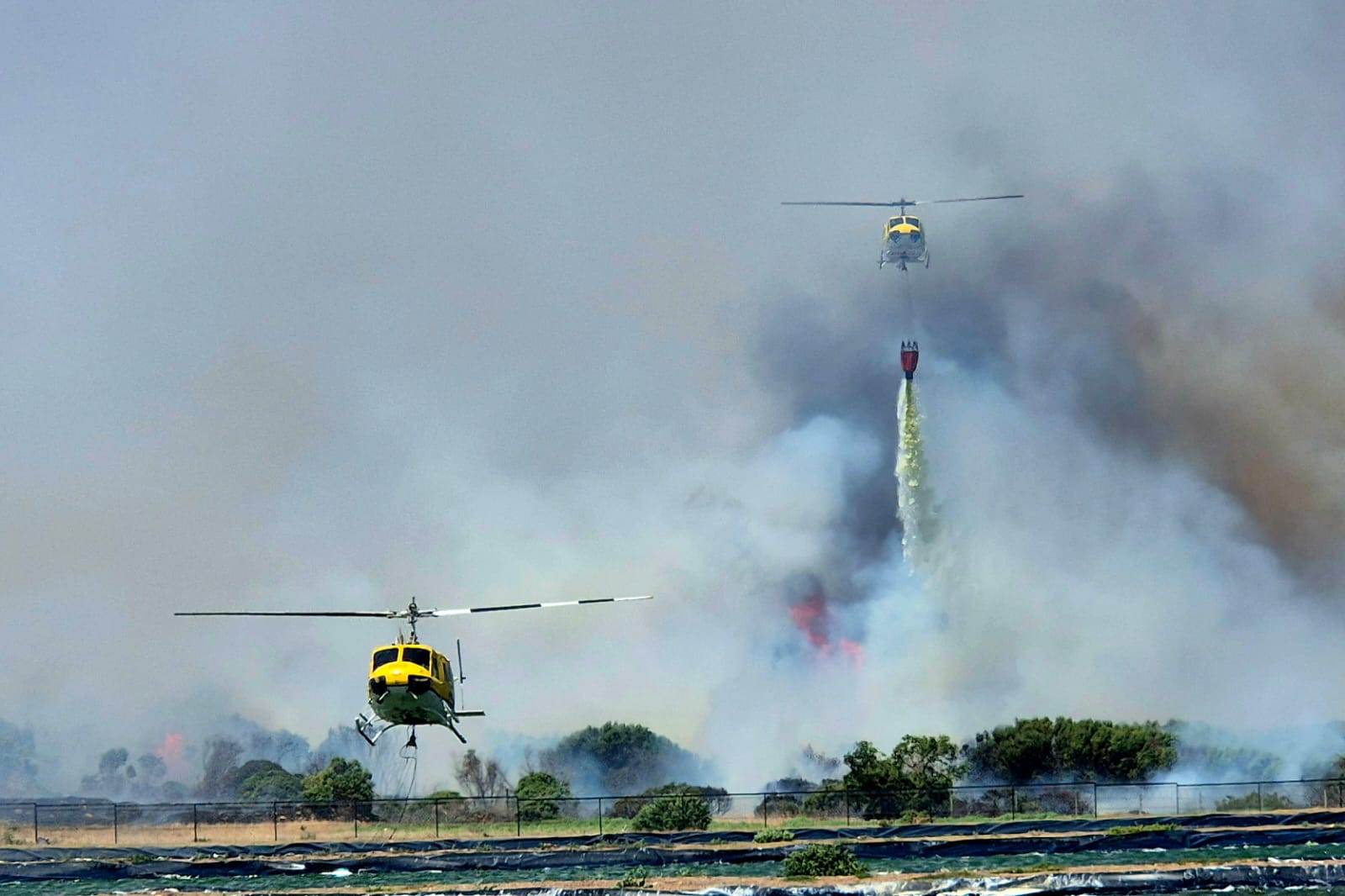 Air support played a vital role in the Mossel Bay fires.
Carter, who has 15 years’ experience in aerial firefighting and previously served 18 years in the South African Air Force, emphasised that aerial firefighting is not intended to extinguish fires on its own.
“Instead, its primary role is to cool the fire and reduce its intensity, allowing ground crews to move in safely and complete the suppression effort.”
He says once a fire’s energy is reduced, it becomes more manageable. “Aerial support slows it down,” he said, “so that firefighters on the ground can do what they need to do to ultimately put it out.”
Carter says the role firefighters play on the ground should not be overlooked. “It really is a team effort. We cool the ground down so that the firefighters can do their work.”
Photos: supplied
‘We bring you the latest Garden Route, Hessequa, Karoo news’