

MOSSEL BAY NEWS - Snake season has started a little earlier this year, with local reptile rescuers having attended to call-outs in Mossel Bay every single day for the last week and a half.
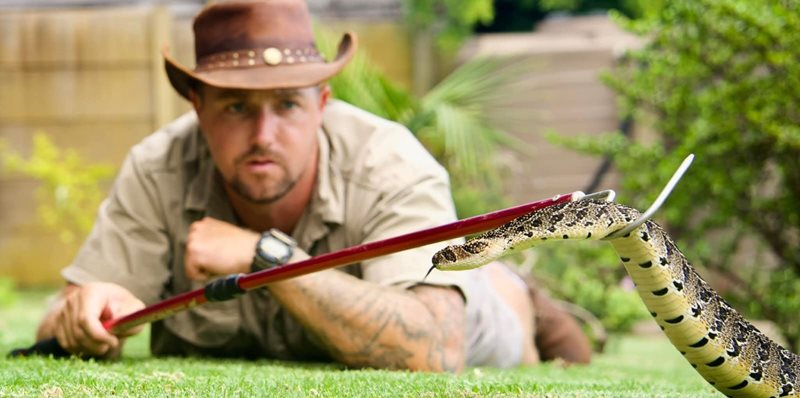
A Mossel Bay-based reptile rescuer, Devon de Villiers of the Slangboere, said he has hit the ground running with the multiple call-outs for him to remove snakes from homes and farms across the greater Mossel Bay.
The warmer weather brings snakes out to look for prey, which means people who also want to enjoy the sunshine outdoors are likely to encounter a snake or two, especially when out walking on trails or in bushy areas.
Baby snakes are being spotted more often in people’s homes, as they orientate themselves with their surroundings.
De Villiers urged people not to kill snakes when they come across them.
“The safest thing to do is to not panic, to watch the snake from a safe distance of three meters and to call a snake catcher,” he said.
“About 85% of snake bites happen when people try to kill the snake. Do not try this. You are putting yourself in much more danger, and snakes are protected in the Western Cape under the Cape Nature Act.”
Mossel Bay and its surrounding areas have three species of highly venomous snakes: the Cape cobra, the puff adder and the boomslang. All three have different venom.
According to the African Snakebite Institute (Asi), boomslang venom is haemotoxic and compromises the blood-clotting mechanism, causing uncontrolled bleeding if not treated.
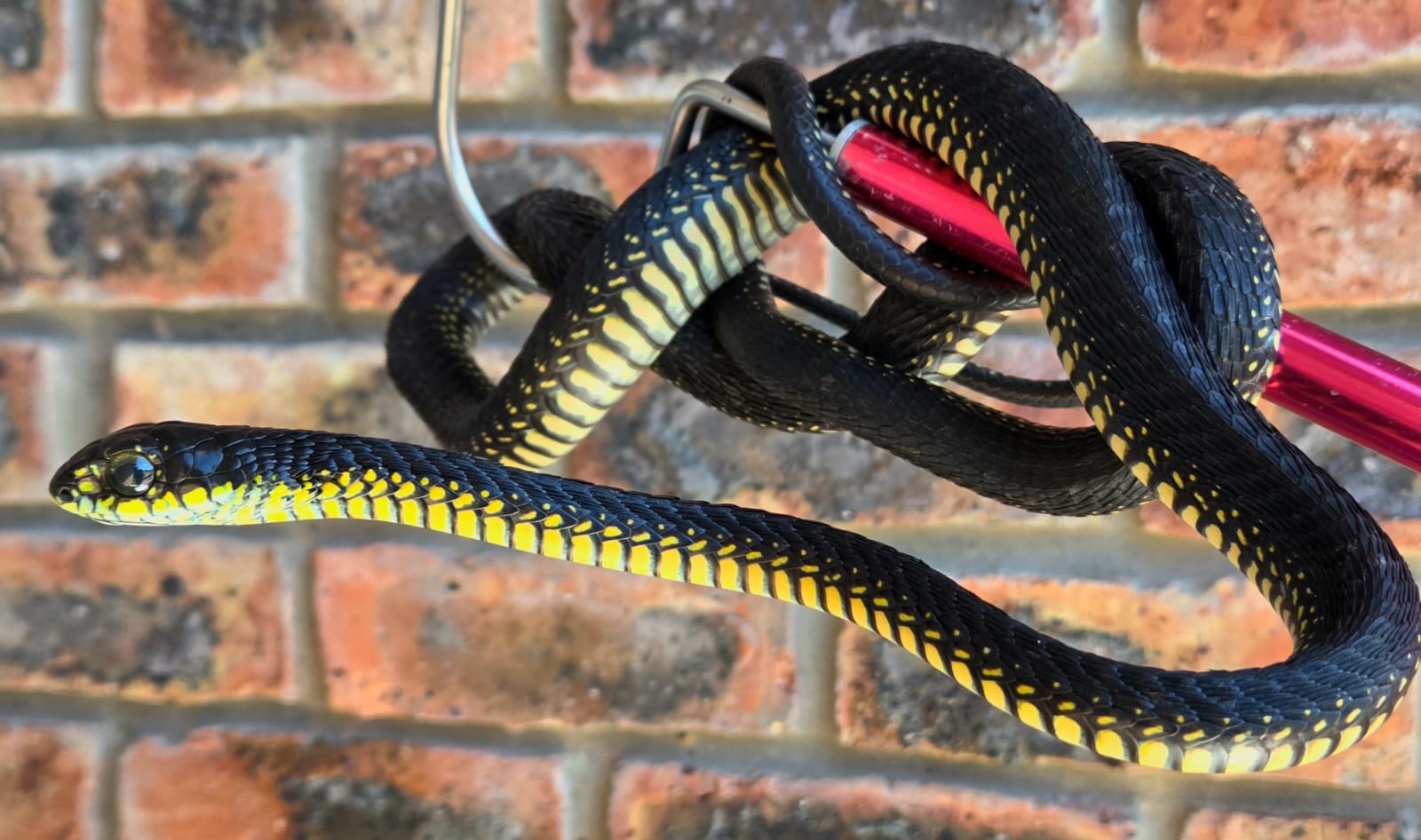 A male boomslang. Photo: Devon de Villiers
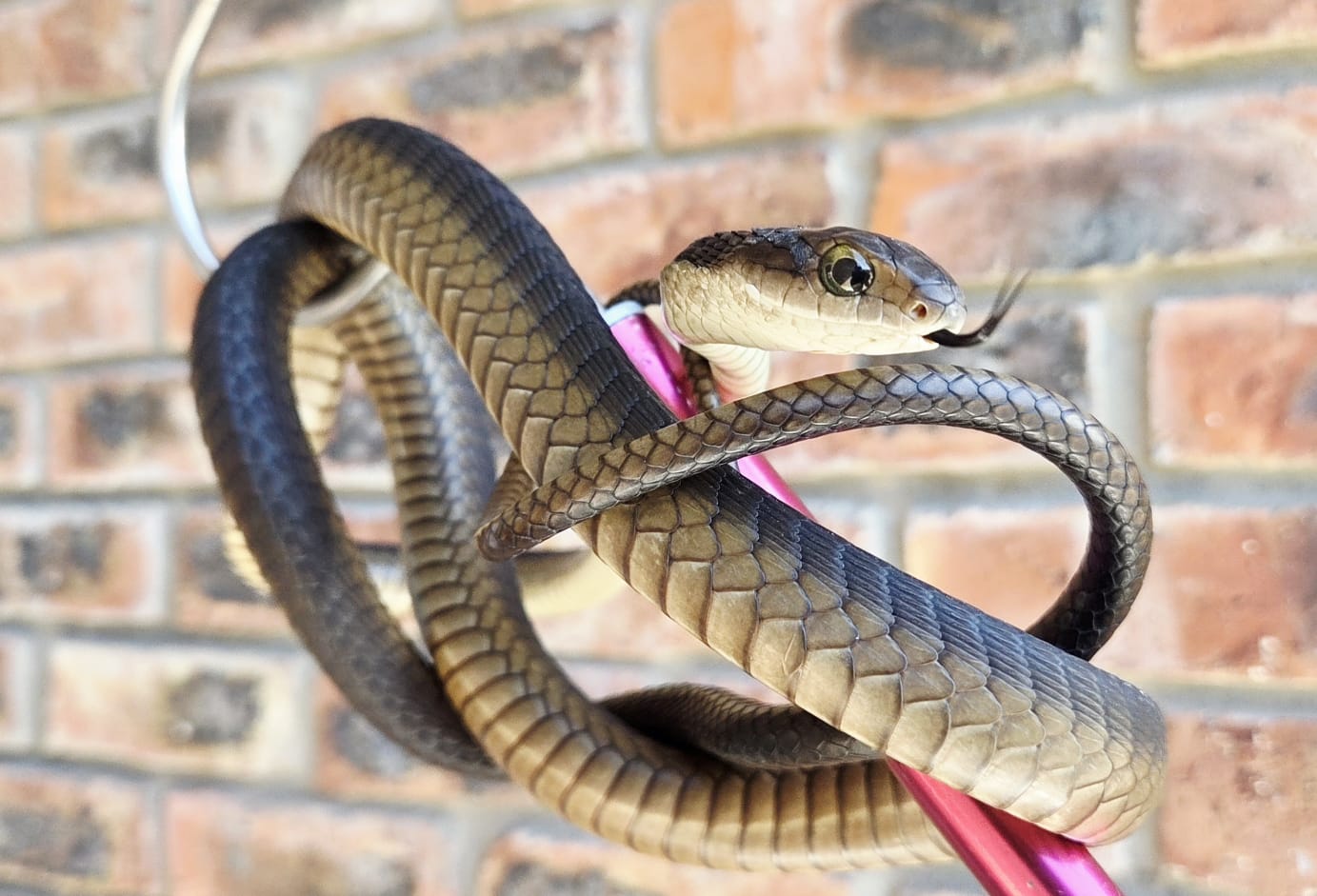 A female boomslang. Photo: Devon de Villiers
The puff adder has cytotoxic venom, meaning it is toxic to cells. This venom causes severe pain, swelling, blistering and in many cases severe tissue damage.
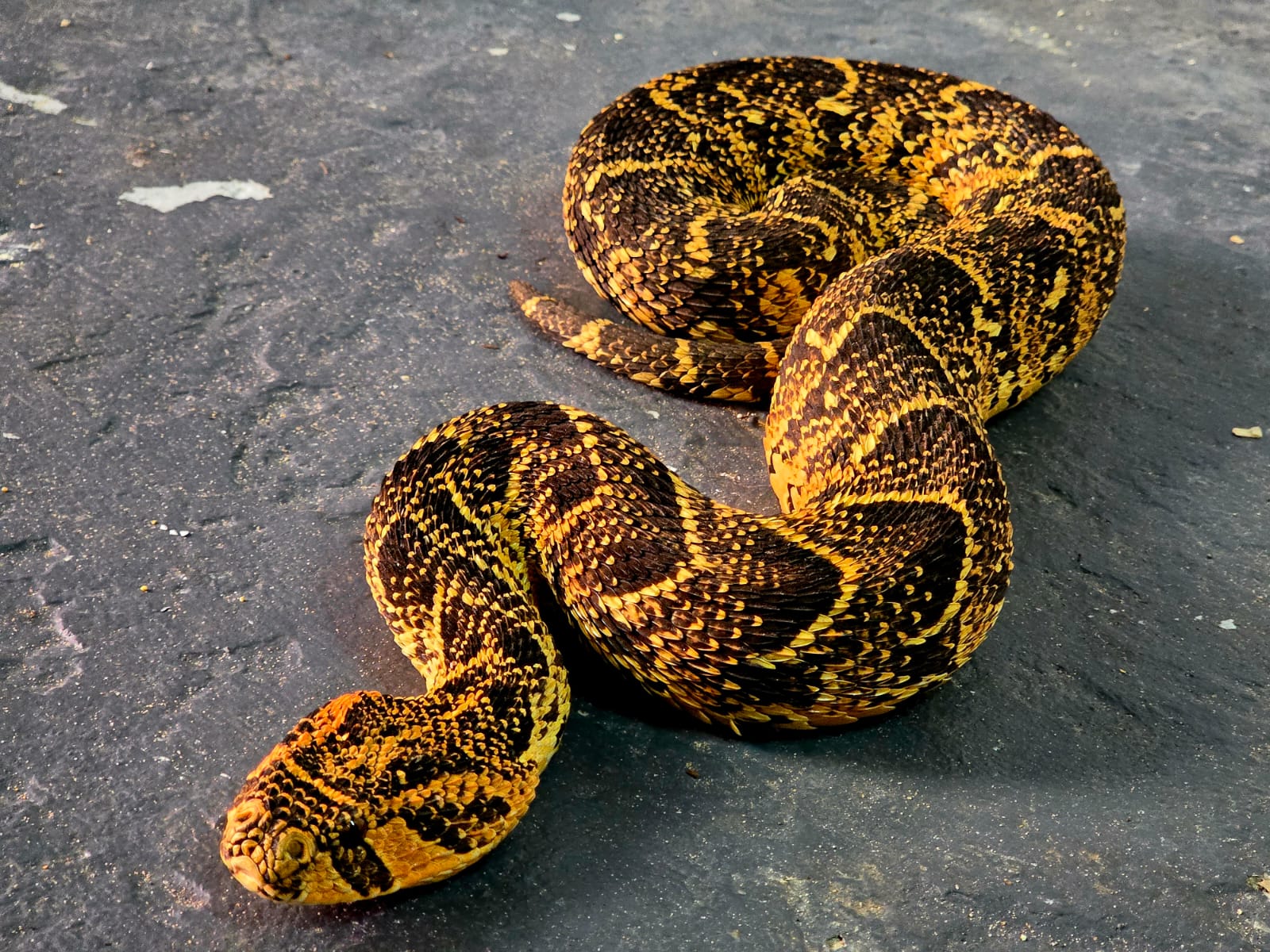 A puff adder. Photo: Devon de Villiers
The Cape cobra is neurotoxic and its venom causes progressive weakness and may affect breathing rapidly. Victims need urgent hospitalisation and in a severe bite, antivenom is essential.
It is also important to be aware that Cape cobras have varying colours. They can be speckled, brown, copper, yellow or gold. However, all Cape cobras have a dark tail tip.
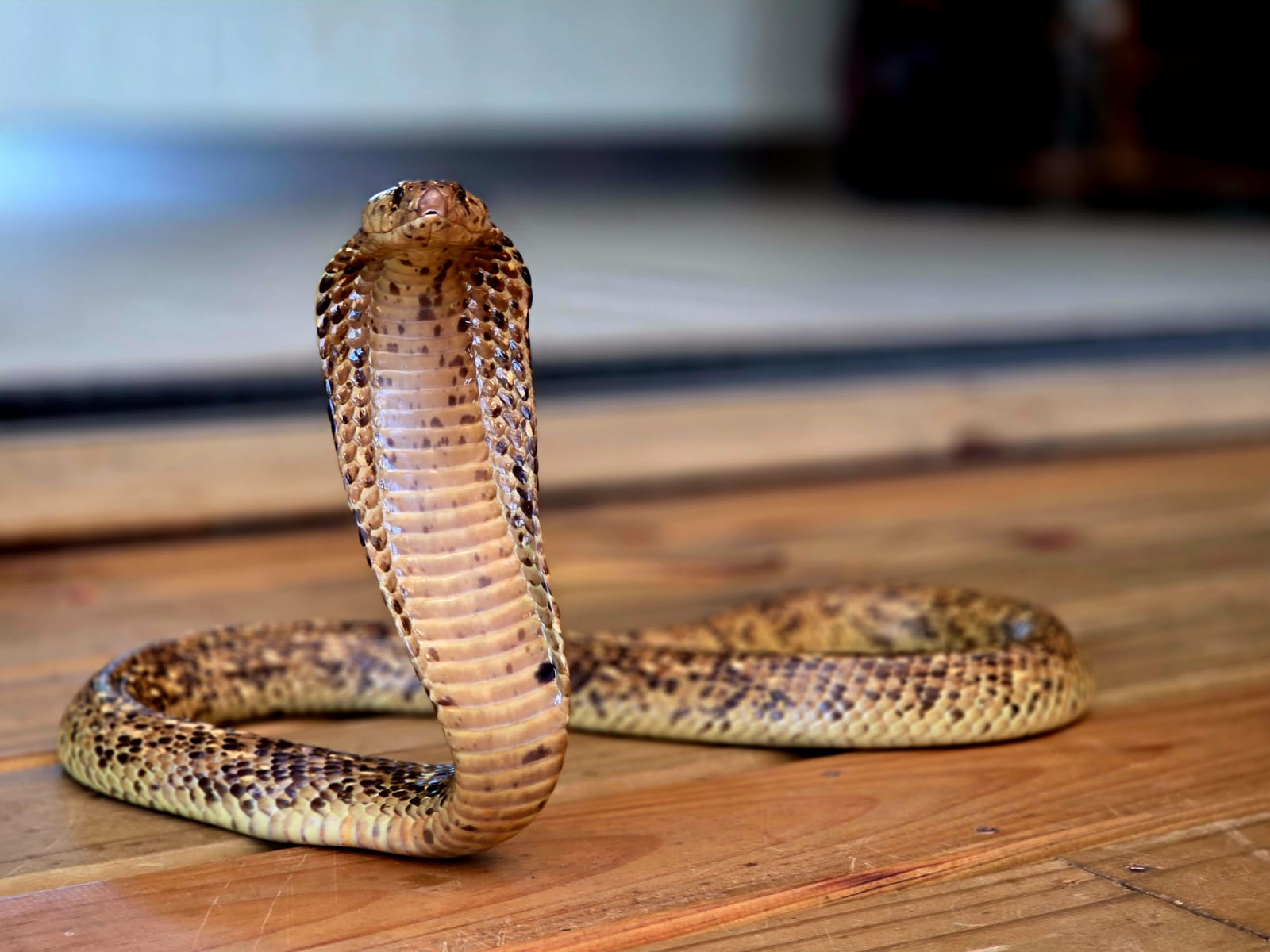 A Cape Cobra. Photo: Devon de VilliersDe Villiers said rescuing snakes is the top priority for the Slangboere, so he or a colleague will respond to a call-out to catch a snake as soon as possible.
To find out more about the Slangeboere, see videos of their call-outs or read up more on snakes in and around Mossel Bay, visit the Facebook page, Slangboere, visit the YouTube channel by the same name, or contact De Villiers on 076 781 0528.
‘We bring you the latest Garden Route, Hessequa, Karoo news’