

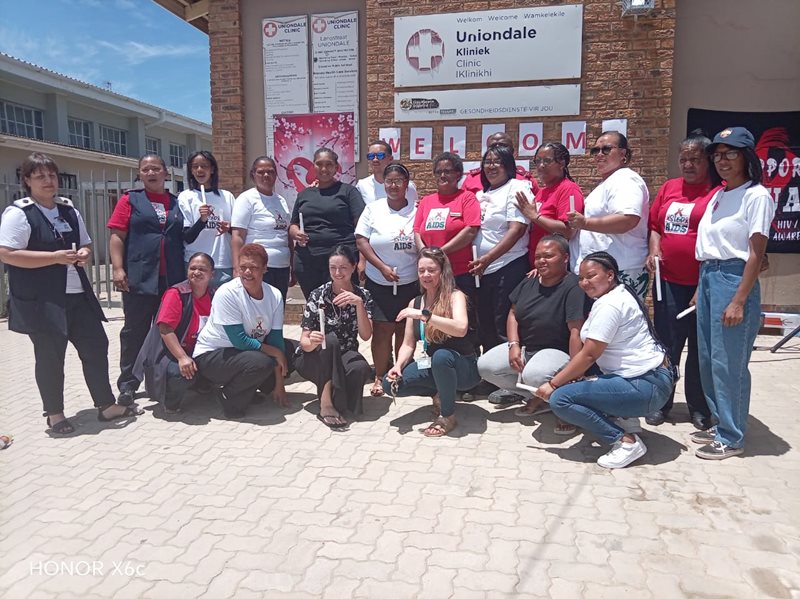
WESTERN CAPE NEWS - In the Western Cape, over 111 000 people living with HIV have not accessed care in the past two years, according to the Provincial Health Data Centre.
This gap threatens progress toward the global 95-95-95 targets, which aim for 95% of people who know their HIV status to be on treatment and virally suppressed.
To create awareness of the national Close the Gap campaign, which aims to re-engage thousands of people who have stopped HIV or TB treatment, various events were held through the province on 1 December, World Aids Day. Local health facilities' health teams, civil society, and community members came together to honour lives lost and call on everyone to come back to care.
The global theme for the day was 'Overcoming disruption, transforming the Aids response'.
Dr Juanita Arendse, Chief Director: Emergency Clinical Services Support, invited patients to return for treatment. “If you’ve missed appointments or stopped treatment, come back. Our clinics and outreach teams are ready to support you, without judgment.”
Why this matters
South Africa has made progress, but gaps remain. In the Western Cape, 89% of people know their HIV status, 73% are on treatment, and 84% of those on treatment are virally suppressed. Work continues across the province to reach the 95-95-95 targets.
This year also marks 21 years of freely available antiretroviral therapy in South Africa, a milestone that has saved millions of lives.
Western Cape Minister of Health and Wellness, Mireille Wenger, says the department remains committed to overcoming treatment interruptions, breaking stigma and removing barriers, so that every person can stay on their care journey and live a long, healthy life.
Closing the Gap: what’s new
Implementation of the campaign followed donor funding cuts, which left some gaps in HIV testing and counselling in South Africa. The province responded with projects like:
- Clinician-led HIV testing through the ACTS project (Advise–Consent–Test–Support), rooted in the MECC (Make Every Contact Count Strategy). The ACTS project encourages HIV testing to be routinely offered to clients by doctors and nurses. This project is being implemented across the province, supported by a series of workshops, as well as the development of a training package, resource material and job aids.
- Multi-month medicine refills to make it easier for people living with HIV to stay in care.
- Continued Pre-Exposure Prophylaxis (PrEP) and Post-Exposure Prophylaxis (PEP) for HIV prevention.
- Wellness hubs continue to provide support to communities by providing services in spaces that are in the community, thereby creating easier access to healthcare.
- TB screening and treatment integration at every contact point to make every contact count.
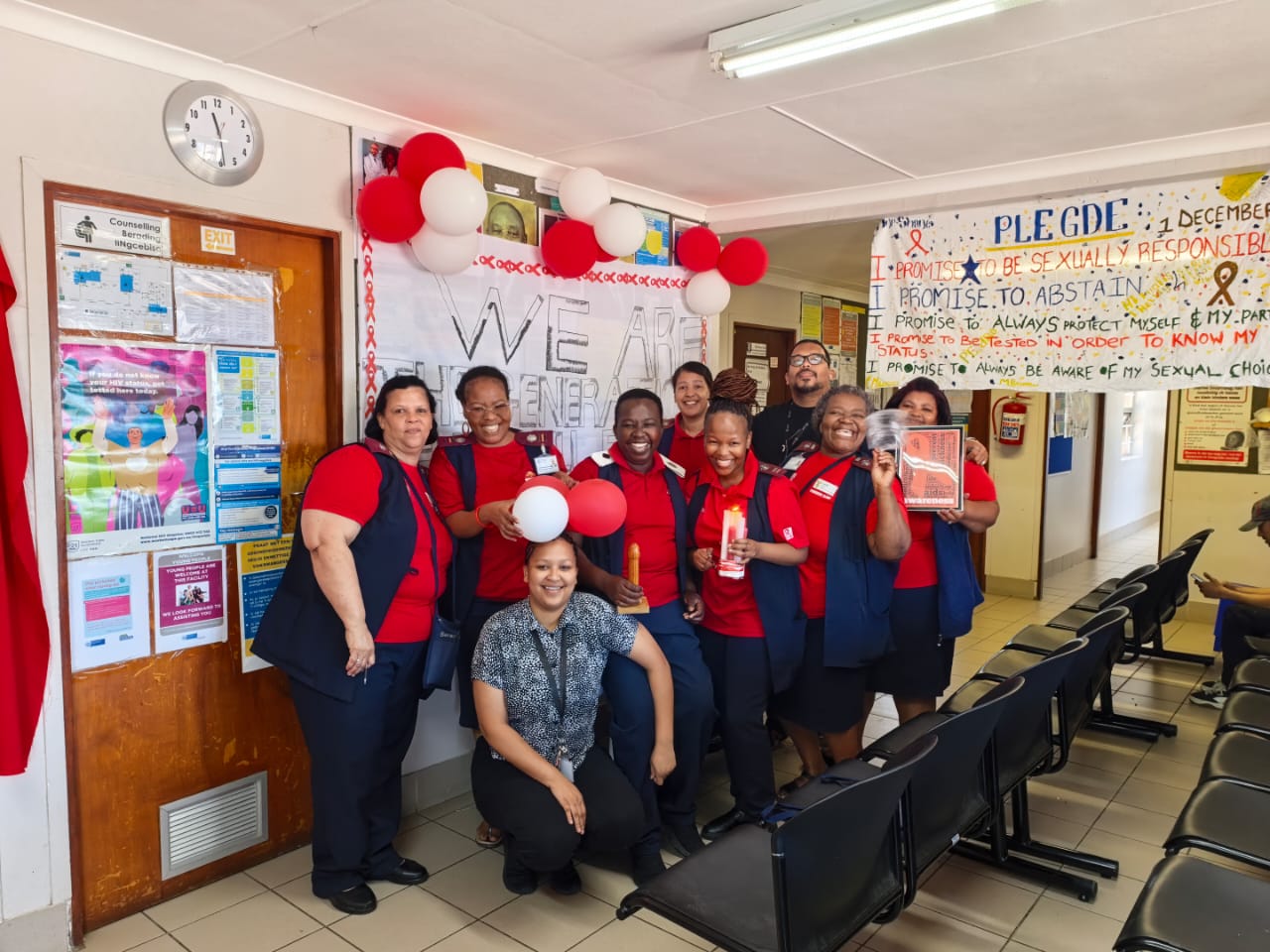 The Parkdene Clinic also created awareness on World Aids Day.
Four Wells
The Western Cape’s approach links to its broader health vision, known as the Four Wells:
- Start Well – Protect mothers and children through prevention and early treatment.
- Live Well – Support people of working age with integrated HIV/TB care and chronic disease management.
- Age Well – Ensure older people receive dignified, continuous care.
- Run Well – Build a health system that delivers seamless, equitable services.
How to protect your health
- If you have a persistent cough, night sweats, weight loss, or fatigue, visit your nearest clinic or mobile site for a free TB test.
- Open windows in homes, schools, workplaces, and public transport to allow fresh air.
- Wear a mask if you’re coughing or in crowded spaces.
- Complete TB treatment even when symptoms improve, stopping early can lead to drug resistance.
- U=U: If someone living with HIV is on sustained treatment and has an undetectable viral load, they cannot sexually transmit HIV.
- Use condoms, freely available at clinics, to prevent HIV, STIs, and pregnancy.
- Ask your clinic about PrEP if you are HIV-negative and at risk.
- Limit sexual partners and test regularly for HIV if you are at higher risk.
- Whether it’s your first visit or you’re returning to care, the Department welcomes you. No judgment. Just care.
- Speak to your clinic about accessing your chronic medication.
What happens next
"Health teams will continue tracing and welcoming back clients, scaling up HIV and TB testing, and working with civil society to fight stigma. Community dialogues and outreach will run through December and beyond," says Wenger.
"Because coming back to care isn’t just about health, it’s about hope, dignity, and the right to live well at every stage of life."
‘We bring you the latest Garden Route, Hessequa, Karoo news’