

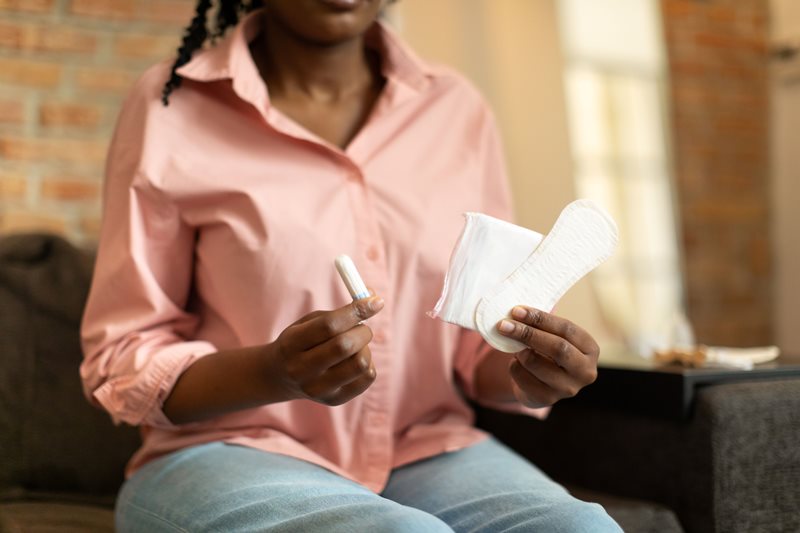
NATIONAL NEWS - Annually on 28 May, the world observes Menstrual Hygiene Day.
Menstruation is a normal and healthy part of life, and access to menstrual products, information and sanitation facilities should never be determined by income or circumstance.
Yet for many girls across South Africa, period poverty remains a daily reality.
Too many learners continue to miss school, struggle in silence or face shame and stigma because they cannot access basic menstrual health support.
Barriers to menstrual health
In partnership with the Aids Healthcare Foundation (AHF), Premier FMCG and the Baithudi Mampane Foundation, the Department of Basic Education (DBE) believes that menstrual dignity in schools must be prioritised as part of creating safe, inclusive and supportive learning environments for every learner.
When girls are unable to manage their periods safely and confidently, the consequences extend beyond hygiene, affecting school attendance, concentration, self-esteem, participation and long-term educational outcomes.
In many communities, the barriers associated with menstruation are compounded by poverty, inadequate sanitation infrastructure, misinformation and persistent stigma.
Globally, there is growing recognition that menstrual health is a fundamental right linked to health, education and gender equality.
Governments and institutions are increasingly treating menstrual products as essential items rather than optional extras.
“The Department of Basic Education recognises the importance of working with partners across sectors to strengthen access to sanitary products, improve awareness and create school environments in which girls feel supported and empowered,” said Reginah Mhaule, South Africa’s Deputy Minister of Education.
Addressing period poverty
Ngaatendwe Murombedzi of the AHF says adressing period poverty requires more than symbolic gestures or once-off campaigns.
This includes improving access to free or affordable menstrual products in schools, strengthening menstrual health education, ensuring schools have adequate sanitation facilities, and creating environments in which learners can speak openly about menstruation without fear or embarrassment.
“Simple interventions such as pad dispensers in toilets can make a huge difference when a learner starts her period unexpectedly at school.”
However, she said the responsibility to protect menstrual dignity cannot rest with schools alone. It requires collaboration between government departments, civil society organisations, healthcare providers, development partners, communities and the private sector.
“Menstrual health support must be practical, sustainable and consistent. This is not charity. It is about protecting dignity, improving educational outcomes, and creating equal opportunities for young women and girls,” said Murombedzi.
As South Africa marks Menstrual Hygiene Day, the DBE has called on all stakeholders to prioritise menstrual dignity as part of building an equitable education system in which every learner can thrive.
‘We bring you the latest Garden Route, Hessequa, Karoo news’