


LIFESTYLE NEWS - Heavy rains across much of South Africa in mid-September may have left lawns looking greener, but the excess moisture has also encouraged rapid grass growth, weeds, compacted soil and waterlogged patches.
With the warmer months approaching, now is the time to help lawns recover and prepare them for the season ahead.
According to Fathima Mathen, Marketing Manager for Gardena South Africa, prolonged periods of heavy rain can affect lawns in ways that are not always immediately obvious.
“Nevertheless, extended periods of heavy rain can affect a lawn quickly, and not always in obvious ways,” she explains. “So, it’s important to look beyond growth and notice how it’s draining, where weeds are appearing, and whether certain areas are slower to bounce back. Those small signs reveal a great deal about what your lawn needs next.”
Mathen shares five practical steps to help restore rain-soaked lawns and keep them healthy as summer approaches.
1. Allow the lawn to dry before mowing
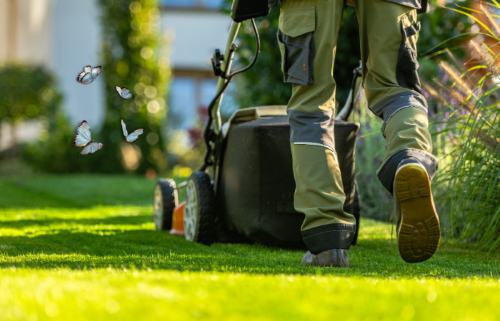
When the rain stops and grass begins growing rapidly, it can be tempting to mow immediately. However, cutting a saturated lawn can compact wet soil, damage grass and leave an uneven finish.
Rather wait until the surface has dried sufficiently and the ground feels firm underfoot before mowing. Giving the lawn time to recover will help prevent further damage.
2. Lower the grass height gradually
Bringing an overgrown lawn back to a neat finish in one aggressive cut can put unnecessary stress on the grass. Instead, reduce the height over several mowing sessions.
Adjustable-height mowers, such as Gardena’s PowerMax range, allow gardeners to begin with a higher cutting setting and gradually lower it until the grass reaches the desired length.
For those looking for a more hands-off approach, Gardena’s Sileno robotic mowers offer an automated way to maintain grass at a manageable height, helping lawns stay neat with less effort.
3. Remove weeds before they take over
Rain encourages the growth of weeds as well as grass. Weeds can quickly establish themselves in thin or weakened areas of a lawn, and simply mowing over them will not necessarily eliminate the problem.
Where possible, remove weeds along with as much of their roots as possible.
Soft, workable soil can make this easier, while the Gardena Weed Puller is designed to remove weeds such as dandelions at the root without requiring gardeners to bend down.
It is also worth looking at the lawn as a whole. Weeds, poor drainage and uneven growth may all indicate that the grass is under stress. Addressing these underlying problems can help healthy grass establish itself and compete with weeds over time.
4. Help compacted soil breathe
Persistent puddles, yellow-green patches and areas that remain soggy long after the rain has stopped may indicate compacted soil.
When soil becomes compacted, air, water and nutrients struggle to reach grass roots, affecting their ability to grow and recover.
Aerating the lawn helps open up the soil surface, improving the movement of air and water and allowing nutrients to reach the roots. Gardena rakes can also help remove moss and thatch, giving grass more room to grow and fill out thin areas.
5. Establish a simple lawn maintenance routine
Once the lawn begins recovering, a few regular maintenance habits can help keep it looking neat and healthy throughout summer.
Mathen recommends:
Mow and trim regularly: Keep grass at a suitable height and maintain neat lawn edges.
Control weeds: Remove unwanted growth before it spreads.
Monitor drainage: Watch for areas where water collects or the soil remains saturated.
Repair thin patches: Reseed bare or weakened areas where necessary to encourage fuller growth.
Water wisely: Adjust watering according to rainfall and soil moisture to avoid oversaturating the lawn.
Mathen says the aim is to make the most of the growth encouraged by the recent rainfall while addressing the problems caused by excessive moisture.
“The trick is to make the rain work in your lawn’s favour. It has encouraged plenty of growth, and now it’s simply a matter of addressing its unwanted ‘friends’ and using the right lawn care tools. The ultimate goal is to build on the good start the rain has provided and set your lawn up to thrive in the season ahead,” she concludes.
‘We bring you the latest Garden Route, Hessequa, Karoo news’