

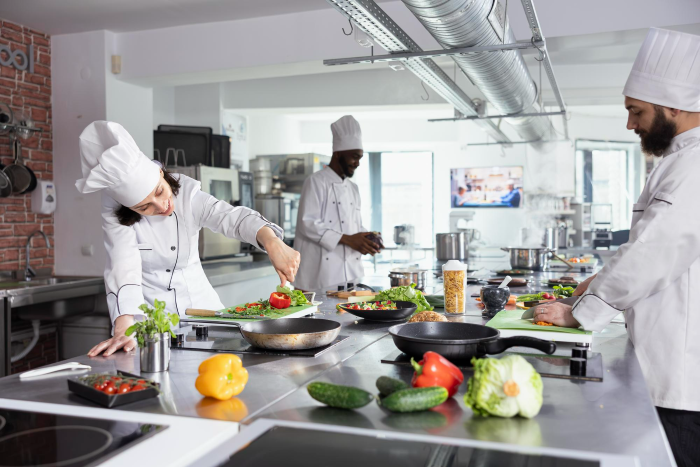
LIFESTYLE NEWS - Professional kitchens thrive on consistency. Every dish is expected to meet the same standard, every time it leaves the pass. Hygiene should be no different.
Picture a head chef in an upmarket restaurant wiping down a preparation surface between services, confident it is clean.
Or a canteen supervisor sanitising worktops before the lunchtime rush. Both believe they have done enough. But have they?
While food spills and visible residue are easy to remove, the greatest threat is often invisible.
Harmful bacteria, viruses and other contaminants can remain on surfaces long after they appear clean.
In busy commercial kitchens preparing dozens, or even hundreds, of meals every day, those unseen risks can escalate rapidly.
Why commercial kitchens face higher food safety risks
Food poisoning, cross-contamination and surface-borne pathogens remain persistent challenges in every food service environment.
Raw meat, poultry and other animal products can introduce dangerous bacteria, while warm kitchen temperatures provide ideal conditions for microorganisms to multiply.
The constant movement of staff, ingredients, equipment and prepared meals further increases the opportunities for contamination. Add poorly maintained equipment, inadequate grease management, blocked drains, pest activity and inconsistent cleaning practices, and effective hygiene becomes less about cleaning harder and far more about cleaning consistently.
"Commercial kitchens are complex environments, and many businesses underestimate the value of having a clearly defined and robust cleaning programme," says Jeffrey Madkins, Marketing Manager at Unilever Professional.
"Multiple food preparation activities take place throughout the day, while staff work under constant time pressure. Just as no chef wants a signature dish to taste different today than it did yesterday, the same principle should apply to hygiene."
Why a structured cleaning programme matters
Madkins explains that cleaning consistently and correctly is widely recognised as one of the most effective safeguards in food safety.
"High-quality cleaning products, such as those from Unilever Professional, are essential, but they deliver their greatest value when they form part of a structured sanitation programme," he says. "That programme should include routine cleaning alongside scheduled deep cleaning of equipment, drainage systems and ventilation."
Implementing an effective cleaning system begins with identifying where contamination is most likely to occur. A raw meat preparation station, for example, requires different hygiene controls from a plating area or a dry storage room.
From there, businesses can develop clear, repeatable cleaning procedures that every member of staff can follow.
Standard operating procedures create consistency
Whether through documented cleaning schedules, staff training or visual tools such as colour-coded cleaning equipment, standardised procedures reduce reliance on memory or individual judgement. They help ensure the same hygiene standards are maintained regardless of who is working a particular shift.
"This becomes particularly valuable in busy operations or businesses with high staff turnover," says Madkins. "New employees quickly understand expectations, while experienced staff benefit from regular reinforcement of established best practice."
The correct cleaning sequence is critical
The order in which cleaning takes place is just as important as the products being used.
Food residue, grease and other organic matter should always be removed before sanitising, as these contaminants can reduce the effectiveness of cleaning chemicals. Equally, sanitisers require sufficient contact time on surfaces to achieve the manufacturer's intended level of microbial control.
Skipping steps or rushing the process can undermine the effectiveness of the entire cleaning programme.
Better hygiene supports compliance and operational efficiency
The advantages of a structured cleaning schedule extend well beyond food safety.
According to Madkins, standardised hygiene procedures simplify staff training, improve accountability, encourage the correct use of cleaning products, support regulatory compliance and give management confidence that essential cleaning tasks are being completed correctly.
"Rather than relying on individuals to remember every stage of the process, businesses create an environment where good hygiene becomes part of the way the kitchen operates every day."
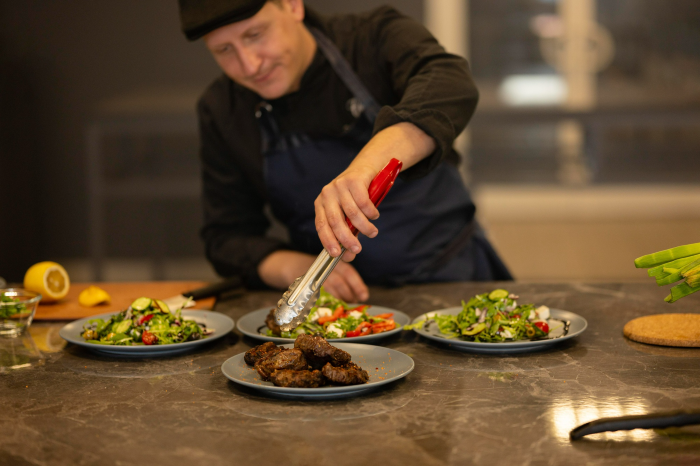
The advantages of a structured cleaning schedule extend well beyond food safety. Photo: Supplied
Meeting South African food safety regulations
South African hospitality businesses operate within a regulatory framework that places significant emphasis on safe food handling and documented hygiene procedures.
Legislation, including the Foodstuffs, Cosmetics and Disinfectants Act, together with internationally recognised food safety management principles such as HACCP, requires businesses to identify hazards, implement appropriate control measures and demonstrate that those controls are consistently applied.
"Defining those controls in advance removes uncertainty and helps ensure that critical cleaning procedures are carried out consistently, even during the busiest service periods," Madkins explains.
Maintaining accurate cleaning records also provides evidence during inspections and food safety audits.
In today's commercial kitchen, effective hygiene should never be something that happens only when there is spare time or before an inspection. It should be embedded into every shift as part of normal operations.
Consistency keeps kitchens operating
"Kitchens that operate on systems are kitchens that stay open," concludes Madkins. "A cleaning product is a tool. A cleaning system is a strategy. Together, they protect your business, your employees and every meal that leaves your kitchen."
‘We bring you the latest Garden Route, Hessequa, Karoo news’