

ENVIRONMENT NEWS - A very strong El Niño event is developing in the Pacific Ocean and could intensify further this spring, raising concerns about below-normal rainfall, soaring temperatures and potentially severe heatwaves across southern Africa.
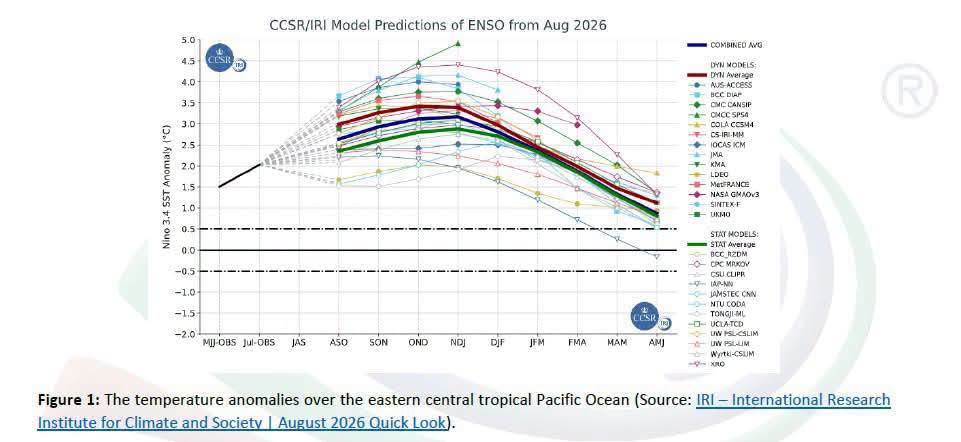
The latest weekly average sea surface temperature anomalies in the eastern-central tropical Pacific have already exceeded the threshold used to define a very strong El Niño, according to the South African Weather Service (SAWS).
Current forecasts indicate that the event could exceed the 3°C threshold, potentially making the 2026/27 El Niño the strongest event in living memory.
Drier and warmer conditions expected
El Niño events are statistically associated with below-normal rainfall and above-normal temperatures across much of southern Africa.
Some of the region’s most impactful El Niño events - including those of 1982/83 and 2015/16 - were associated with widespread drought.
However, the relationship is not absolute. The very strong 1997/98 El Niño, for example, was associated with slightly above-normal rainfall in parts of South Africa’s summer rainfall region.
This means that while below-normal rainfall is currently the most likely outcome for southern Africa this summer, an El Niño event does not automatically result in drought.
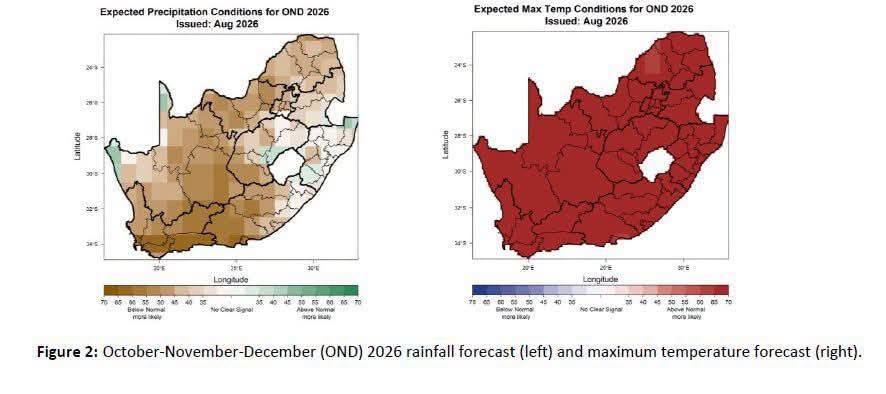
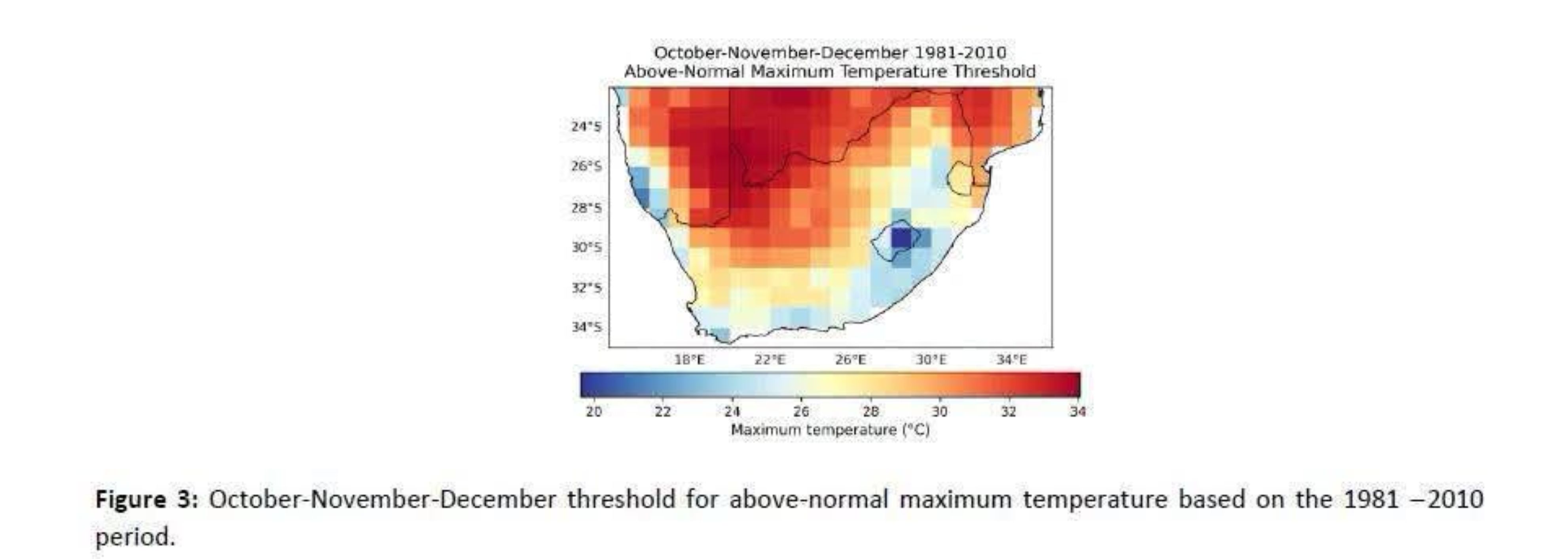
The latest SAWS seasonal forecast for October to December nevertheless points to below-normal rainfall over most of South Africa, while above-normal temperatures are also expected.
A similar outlook applies to the November to January 2027 period, with drier and warmer conditions the most likely outcome across much of the country.
Heatwaves could become more frequent
The combination of a very strong El Niño and ongoing global warming could make the coming summer particularly challenging.
SAWS says 2027 is likely to be the warmest year ever recorded if the expected strength of the 2026/27 El Niño materialises alongside continued global warming.
The previous very strong El Niño, in 2015/16, was associated with unprecedented heatwaves in southern Africa. Since then, the region has continued to warm, potentially increasing the impact of another major El Niño event.
If the forecast below-normal rainfall occurs, it could create conditions in which heatwaves become more frequent and potentially more severe.
The combination of prolonged dry conditions and extreme heat could also place additional pressure on water resources and weather-sensitive sectors.
Forecasts will be closely monitored
Despite the concerning outlook, SAWS cautions that uncertainty remains over the eventual strength of the El Niño and how it will affect different parts of southern Africa.
The extent of heatwaves and possible water scarcity will therefore be closely monitored, with information shared with Disaster Management structures, weather-sensitive industries, the media and the public.
SAWS is urging the public and weather-sensitive industries to keep up to date with its monthly seasonal forecasts as well as daily short-term weather forecasts.
These updates will be particularly important as the summer progresses and provide the latest guidance on heatwaves and other potentially high-impact weather events.
What is El Niño?
El Niño refers to an abnormal warming of the eastern-central tropical Pacific Ocean.
A strong El Niño is defined by three-month average sea surface temperatures in this region being more than 1.5°C above the long-term average. During a very strong El Niño, temperatures are more than 2°C above normal.
Current forecasts suggest the 2026/27 event could exceed 3°C - a level that would place it among the most extreme El Niño events on record.
For South Africans, the key message is to prepare rather than panic: rainfall and temperature forecasts will continue to be updated as the event develops, and conditions can vary significantly from one region to another.
Technical enquiries:
Cobus Olivier - [email protected]
Kelebogile Mathole - [email protected]
Steven Phakula - [email protected]
Christien Engelbrecht - [email protected]
‘We bring you the latest Garden Route, Hessequa, Karoo news’