

GARDEN ROUTE NEWS - CapeNature is urging residents and visitors to keep a safe distance from Cape fur seals following the detection of rabies in seals along the South African coastline.
The warning comes on World Rabies Day on 28 September, with CapeNature reminding the public that anyone bitten or scratched by a seal, or exposed to its saliva, should seek medical attention immediately.
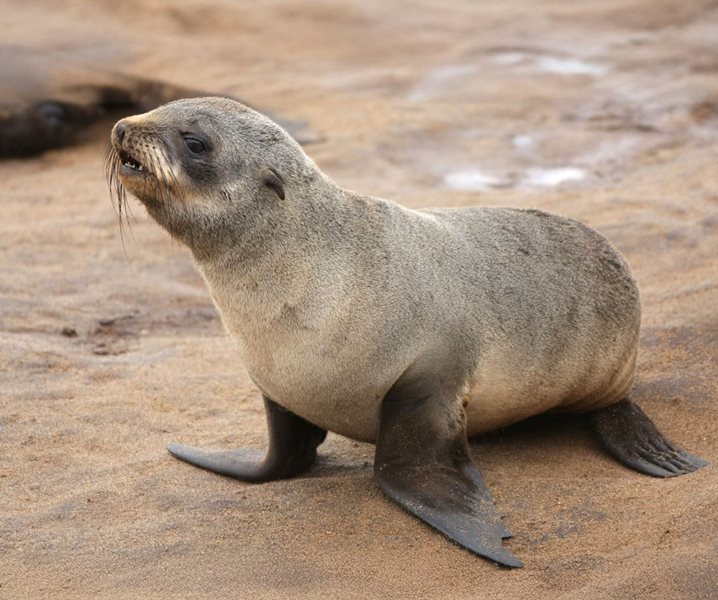
By the end of 2025, at least 176 people had been bitten by seals. While most Cape fur seals pose no threat to humans, they are wild animals and should never be approached, touched, fed or encouraged to interact with people.
A seal on the beach is not necessarily in distress
Cape fur seals regularly come ashore to rest, and their presence on a beach does not necessarily mean they are sick or stranded.
The public should give seals plenty of space, keep children and pets away and allow trained authorities to assess the animal if assistance appears necessary.
A seal infected with rabies may display aggressive or unusual behaviour, appear disoriented, move abnormally or show little response to its surroundings. However, similar behaviour can also be caused by injury, illness or distress.
Members of the public should therefore never attempt to diagnose, move or assist a seal themselves.
“World Rabies Day is an important reminder that simple precautions can protect both people and wildlife,” said Mbulelo Jacobs, Executive Director: Conservation Operations at CapeNature.
“Cape fur seals are an important part of our coastal ecosystem, but they remain powerful wild animals. The safest response is to keep your distance, avoid any interaction and report concerning behaviour to the relevant authorities.”
What to do after possible exposure
Rabies is transmitted through the saliva of an infected animal, most commonly through a bite. Exposure can also occur when saliva contaminates a scratch or broken skin, or comes into contact with the eyes, nose or mouth.
Anyone who has been bitten or scratched by a seal, or whose broken skin, eyes, nose or mouth has come into contact with seal saliva, should:
- Immediately wash the affected area thoroughly with soap and running water for at least 15 minutes.
- Seek urgent medical attention at the nearest healthcare facility.
- Tell healthcare workers that the injury or exposure involved a seal that may have been infected with rabies.
- Follow all medical advice regarding rabies post-exposure treatment.
- Report the incident to the local municipality, lifeguards or relevant conservation authorities.
If it is safe to do so, members of the public can record the seal’s behaviour from a distance. A video, description and accurate location can help authorities assess the situation.
However, people should never approach a seal to obtain footage.
Keep pets away from seals
Dogs and other pets must be kept away from seals, regardless of whether an animal appears healthy, sick, injured or dead.
Pet owners are also encouraged to ensure that their dogs and cats have up-to-date rabies vaccinations.
If a pet is bitten or scratched by a seal, or may have been exposed to seal saliva, owners should contact a private or state veterinarian immediately for advice.
The animal should be prevented from interacting with people or other animals until veterinary guidance has been received.
Give seals space along the coast
Residents and visitors are reminded to:
- Keep a safe distance from seals on beaches, rocks, in harbours and in the water.
- Never touch, feed, pet, chase or attempt to move a seal.
- Keep dogs under control and away from seals.
- Leave the water calmly if a seal behaves aggressively or repeatedly approaches people.
- Follow instructions from lifeguards, conservation officials and municipal authorities.
- Report seals displaying aggressive, disoriented or otherwise concerning behaviour.
By respecting wildlife and responding quickly to possible exposure, the public can help reduce the risk to people, pets and Cape fur seals.
Report concerning seal behaviour
Suspected cases or concerning seal behaviour can be reported to CapeNature on 083 236 2924.
Where possible, provide a description, video recorded from a safe distance and the exact location of the seal.
‘We bring you the latest Garden Route, Hessequa, Karoo news’