


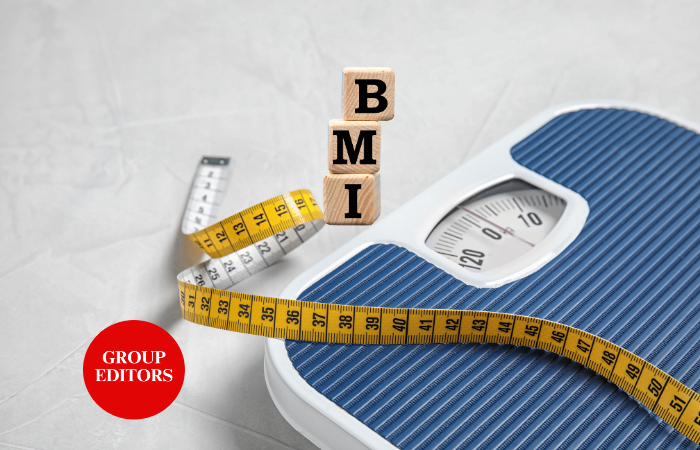
LIFESTYLE NEWS - What do an elite athlete and someone carrying considerable excess body fat have in common? If they are the same height and weight, they could both receive the same BMI classification.
It is one of the reasons body mass index (BMI) is increasingly being questioned as a measure of individual health.
While BMI remains widely used by the public and healthcare professionals as a quick way of categorising weight, experts say it provides only a limited picture of what is happening inside the body.
“BMI could be a useful early screening tool, but it’s too blunt for an overweight or obese diagnosis on its own and it should never drive someone’s weight-loss strategy, especially if you only rely on a basic smart scale or online calculator,” says Dr Gerhard Vosloo, Founder and Head Consulting Practitioner at Dr GL Vosloo Medical Practice, managed by BioWell.
Weight is only part of the picture
BMI is calculated using a person's height and weight, but it does not distinguish between fat, muscle and other components of body weight.
This means that a muscular athlete could have a BMI that places them in the overweight category, while someone with a similar BMI could have a much higher proportion of body fat.
The limitations become particularly important when BMI is used to track progress during a weight-loss programme.
“Any change in an adult’s BMI only reflects a change in weight,” says Dr Vosloo. “Body composition, strength, metabolic markers, and improvements in obesity-related health problems provide considerably more meaningful evidence of whether treatment is working.”
A person may, for example, lose weight while also losing valuable muscle mass. Another person may experience improvements in waist circumference, blood-sugar control and fitness without dramatic changes on the bathroom scale.
BMI can also overlook clinically significant visceral or liver fat in people with a lower BMI. Other factors, including insulin resistance, poor blood-sugar control, abnormal cholesterol, high blood pressure, nutritional deficiencies and hormonal problems, can provide important clues about a person's metabolic health.
“BMI simply isn’t a reliable stand-alone metric for a weight-loss journey because it misses the many determinants that may influence overall metabolic health,” Dr Vosloo explains.
“Any weight-loss programme must aim to improve health rather than to simply shed a few kilograms for a surface-level change.”
What should replace BMI?
The debate around BMI has also reached the medical community.
The 2025 Lancet Commission on Clinical Obesity recommended that BMI should no longer be used on its own to detect obesity because it can misclassify body fat. Instead, clinicians should consider measures of body-fat levels and distribution, including waist circumference, waist-to-height ratio or waist-to-hip ratio, alongside an assessment of whether excess body fat is affecting a person's health or everyday functioning.
Dr Vosloo believes BMI should largely remain a preliminary screening tool rather than becoming the main measure of success during a medical weight-loss programme.
“Once a patient enters a medical weight-loss programme, continuing to report BMI alongside weight creates the impression that doctors are tracking two separate outcomes, even though one is calculated directly from the other,” he says.
Instead, treatment should be assessed against the individual's specific body composition and health concerns identified during the initial assessment.
Looking beyond the bathroom scale
Body-composition assessments can provide a more detailed picture by estimating measures such as body-fat percentage and muscle mass. Some systems, such as InBody, can also provide an estimate of visceral fat, depending on the device.
These assessments are available through some larger gyms and suitably equipped dietitians, biokineticists and doctors, although access may be more limited outside larger centres.
For people who cannot access body-composition testing, measurements such as waist and hip circumference, height and regular weight checks can still provide useful information when monitored appropriately.
But even these measurements have limitations.
“BMI still cannot distinguish fat loss from muscle loss, and doctors must monitor muscle strength and physical function alongside changes in waist circumference,” says Dr Vosloo.
Simple functional assessments, such as grip-strength testing or timed chair rises, can help provide an indication of muscle function. While they cannot measure muscle loss directly, declining performance could signal the need to review nutritional intake, resistance training and the pace of weight loss.
Questions to ask before starting a weight-loss programme
For anyone considering a medically supervised weight-loss programme, Dr Vosloo recommends finding out exactly what the initial assessment involves before signing up.
Patients should expect a review of their medical history and a clear explanation of how the practice assesses body composition, abdominal fat and metabolic health.
A programme that relies primarily on height and weight to calculate a target weight may not provide the full picture.
It is also worth asking how the assessment will influence the proposed nutrition and exercise plan.
For example, if an assessment identifies low muscle mass or nutritional deficiencies, patients should understand how these issues will be addressed alongside weight loss.
The bigger question, says Dr Vosloo, is not simply how much weight someone should lose, but why weight loss is appropriate for that individual and what the process should achieve for their health.
“By ending BMI’s role as a diagnosis, we can shift public attention towards more informative health measures and help tailor programmes that deliver meaningful improvements in health and daily life,” he says.
For people navigating weight-loss options, consulting a metabolic- and weight-management specialist can help put measurements such as BMI, waist circumference, body composition and metabolic health into the appropriate context.
‘We bring you the latest Garden Route, Hessequa, Karoo news’