

LIFESTYLE NEWS - Somewhere along the way, rest became something we had to earn.
Gone are the days when shops closed early, long weekends meant genuine downtime and Sunday afternoons were reserved for a nap, a cup of tea on the patio and the reassuring knowledge that work could wait until Monday.
Today, even our time off can feel like another item on the to-do list.
Ask someone what they did over a long weekend and the answer can quickly become a checklist: the hike completed, the market visited, the restaurant tried, the family braai hosted, the destination explored.
Tell someone you spent the weekend doing nothing and you may be met with genuine disbelief.
It seems that doing nothing now needs a reason.
“It’s a shame that genuine rest needs an excuse,” says Onwaba Gonyora, Director of Brahman Hills, a five-star hospitality and wellness destination in the KwaZulu-Natal Midlands. “By rest, I don’t mean laziness or simply lying around. I mean choosing to slow down, be still and give yourself permission to properly switch off.”
The lost art of doing nothing
Different cultures have different ways of describing the value of slowing down.
The Italians have dolce far niente, often translated as the “sweetness of doing nothing”. The Danish concept of hygge celebrates comfort, contentment and the enjoyment of simple, unhurried moments.
The terminology may differ, but the underlying idea is similar: leisure does not always need to be productive to be worthwhile.
Modern life, however, makes genuine rest increasingly difficult.
Our work travels with us in our pockets, while leisure itself has become something to optimise, track and photograph. Holidays are planned like projects, with packed itineraries leaving little room for simply being somewhere.
In the process, the very thing we went away to find – rest – can get lost.
Giving yourself permission to pause
So, what does doing nothing actually look like?
According to Gonyora, it starts with permission.
“Not the permission you ask for from a boss or a calendar, but the internal kind, the quiet decision that an afternoon spent watching the light change over a garden, or a morning with nowhere particular to be, has value in itself,” she says.
“It doesn’t need to produce anything. It doesn’t need a caption.”
For many people, however, slowing down is easier said than done.
The environment can make a difference. A noisy, cluttered and demanding space does little to encourage stillness, which may explain why people often seek out nature and quieter surroundings when they need to recharge.
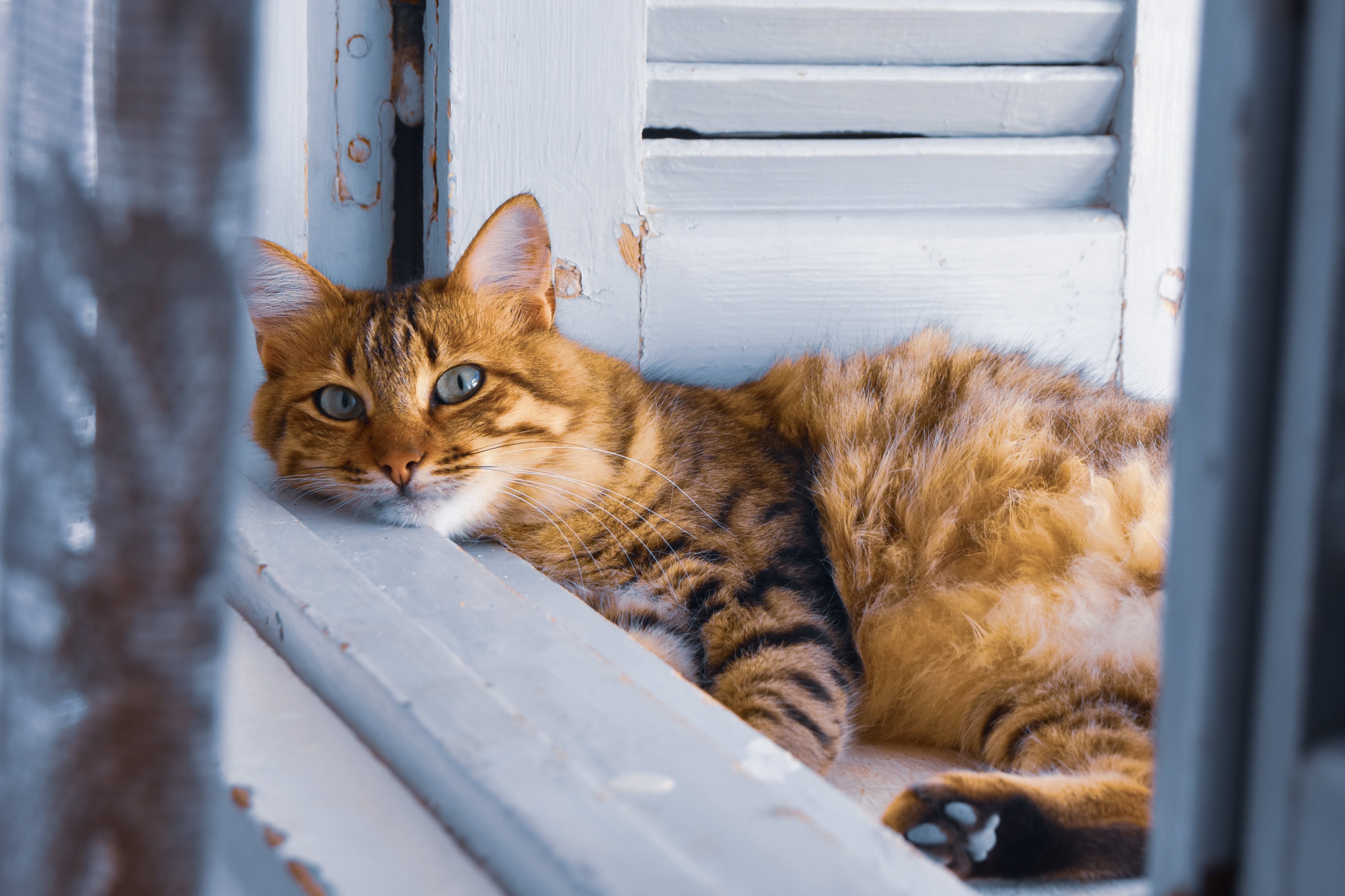 Learn the art of chilling - like a cat. Photo: Unsplash
“There’s a reason places like the Midlands, or any stretch of quiet countryside, pull people out of cities for a break,” says Gonyora. “Space seems to give permission that willpower alone often can’t.”
Rest takes practice too
Ironically, doing nothing can initially feel uncomfortable.
“The first few hours can be the hardest,” Gonyora says. “I have personally found that the mind keeps reaching for its to-do list like a phantom limb.”
It can take time for the constant mental noise to settle and for us to remember what unstructured time actually feels like.
That is why the places we choose to rest can matter. Stepping away from familiar surroundings, even briefly, can create the physical and mental space needed to properly switch off.
“It’s something we think about a lot at Brahman Hills,” says Gonyora. “We’ve deliberately created spaces where people don’t have to be constantly doing something.”
Start small
Not everyone can escape to the countryside for a few days, but genuine rest does not have to involve a holiday.
Try leaving one Saturday completely unplanned. Resist the urge to fill every hour. Put the phone down, sit outside, read a book, take a nap or simply watch the world go by.
The important part is not what you do. It is what you don't do.
Rest doesn't have to be earned. Perhaps the real challenge is learning to allow ourselves to have it.
‘We bring you the latest Garden Route, Hessequa, Karoo news’